Tunisia Vacation Rental
Villa
Sleeps: 5 Bedrooms: 4 Baths: 1
Villa
Sleeps: 5 Bedrooms: 4 Baths: 1
Garage,
Covered Parking,
Utensils,
Refrigerator,
Microwave,
Full Kitchen,
Reviews: 2 Write a review
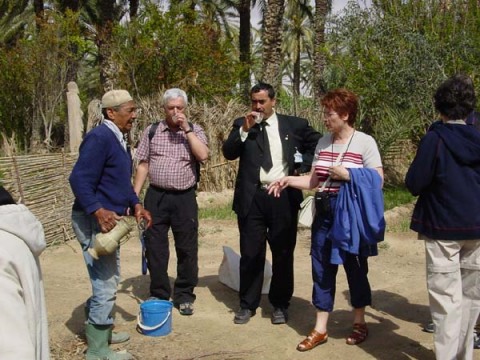
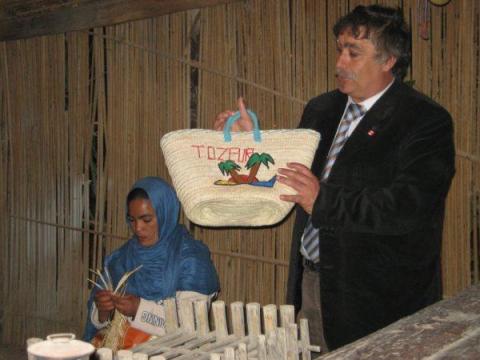
Dear Borhen;... See MoreI am pleased to write my response to the eight day tour of Tunisia. At the coffee stop between Tozeur and Kairouan, on the final day, I told you that we had got so much out of the experience at a number of levels.First, because we were on vacation, it had to be enjoyable, different and relaxing. Even though you took us to 34... Read more
just call ben brahim borhane 0021698226916contacter BEN BRAHIM BORHANE +21698226916FROM CANADA AND AMERICA 01121698226916
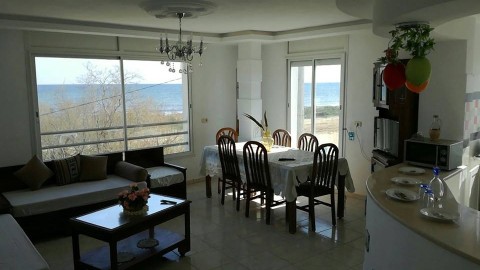
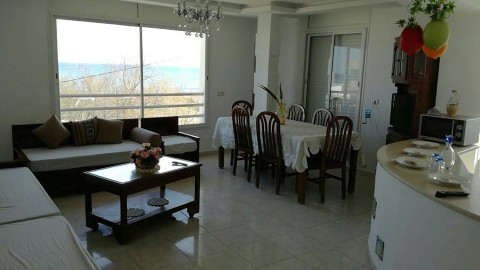
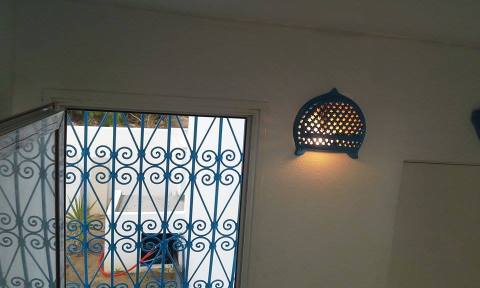
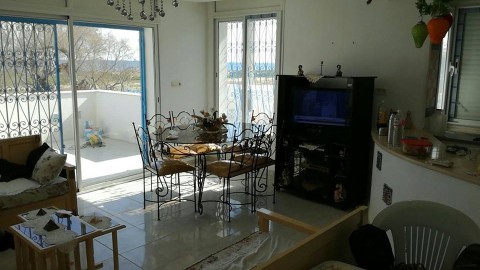
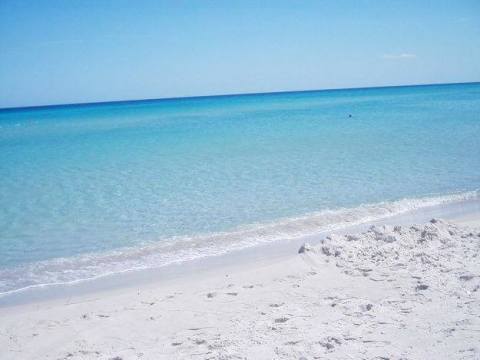
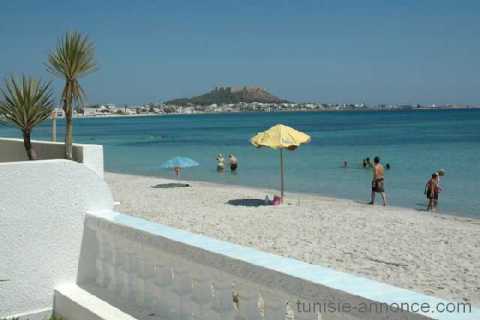
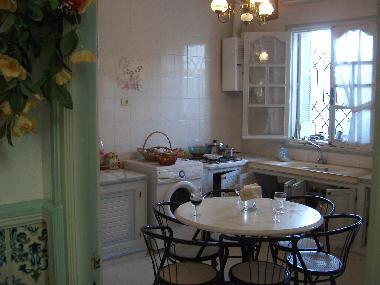
Our Tunisian holiday vacation rental residence and villas is richly furnished offers satellite TV, air conditioning, a garage with private parking, 5 bathrooms, 5 bedrooms, fully equipped kitchen, a lush garden, internet access and a telephone. Nearby is a restaurant with typical Tunisian food, a café, a super market and a children’s park. We are located in the loveliest and most fabulous beaches of tunisia.
VILLA IN TUNISIA KELIBIA A WONDERFUL VILLA LOCATED ON THE MOST BEAUTTIFUL BEACHES OF TUNISIAUNE VILLA LUXUEUSE PRES DES ¨LUS BRKKES PLAGES DER LA TUNISIEUNA VILLA LUSSUOSA VICCINO LE PIU BELLE SPIAGGE DELLA TUNISIA
Charming and wonderful sea locations, amazing natural landscapes, tradition and culture. Enjoy your holidays in beautiful dream places, live your unique emotions near the most famous beaches of tunikelibia beach
our villa is located close to restaurants hotels cafes supermarket and the punic and roman sites as well as the fishing port of kelibia
VILLA EN TUNISIE
tres richement meublee pres des plus belles plages de la tunisie kelibia beach
Villa de 350 m² à Kelibia (Tunisie), Quartier Residentiel
Villa de 350 m² pour des vacances à la mer
Quartier Residentiel, Kelibia, Tunisie
Jusqu'à 4 personnes :
climatiseur
parking pv
jardin
parassole jardin
3 chambres 2 lits doubles 2 lits simples 3 canapés-lits 1 salle de bain 1 WC
une villa tres luxueuse pres des plus belles plages de la tunisiekelibia beachblue flag
Aménagements de la location
Cuisine indépendante Séjour Salon Terrasse Jardin Garage Environnement de la location
Bord de mer (< 1 km) Éléments pratiques
Proche commerce Proche centre ville Non fumeur Véhicule conseillé Équipements disponibles
Vaisselle Ustensiles Réfrigérateur Congélateur Four Micro-Onde Lave linge Fer à repasser Climatisation Aspirateur Téléviseur Magnétoscope Lecteur DVD Cable Satellite Téléphone Accès Internet Salon de jardin Activités disponibles aux alentours
Randonnées Tennis Baignade Pêche Thermalisme Cinéma Discothèque Parc de loisir Voile Plongée Pistes cyclables Tarifs et disponibilités
Les tarifs sont fournis à la semaine.
Disponible en Basse Saison : 350 €
Disponible en Moyenne Saison : 400 €
Disponible en Haute Saison : 420 €
Disponible en Très Haute Saison : 450 €
villa in tunisia kelibia
una villa lussuoasa viccina la piu bella spiaggia della tunisia kelibia beach
Our Tunisian holiday vacation rental villa is richly furnished offers satellite TV, air conditioning, a garage with private parking, 5 bathrooms, 5 bedrooms, fully equipped kitchen, a lush garden, internet access and a telephone. Nearby is a restaurant with typical Tunisian food, a café, a super market and a children’s park. We are located in the loveliest and most fabulous beaches of tunisia.
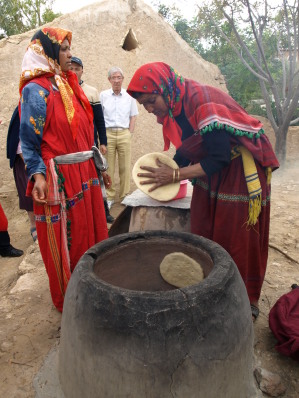
Tunisia is a country of many contrasts where visitors are offered fine beaches, wooded mountains, busy cities and the grandiose expanse of the desert. Tunisia has always been welcoming to man whose traces can be found everywhere in various forms. The Tunisian Sahara covers more than half the country and is a fascinating ecological environment. In the northern desert there are many long standing human settlements, traditional urban complexes, mountain villages and oases. Our lovely Villa rental is the perfect place from which to explore this rich historical landscape.
Further south the desert becomes more pronounced only protected by wild flora and fauna and occasional traces of human presence survive here. Rare fortifications and wells for the survival of the nomads and caravans can also be found. Spectacular but vulnerable settlements established far back in the country’s history constitute opportunities to discover the desert’s age.
Today is the perfect time to make plans to visit and stay in Tunisia and our lovely vacation rental villa in Tunisia.
***************************************************
KAIROUAN – SOUSSE – MONASTIR
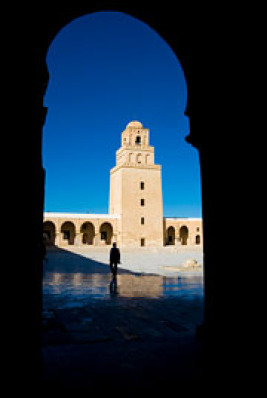
This religious centre, the holy city of Kairouan, nicknamed the “town with three hundred mosques” is the spiritual home of all Tunisians where the minaret of the Great Mosque looms over the skyline of the city. Kairouan, the former capital of the Aghlabid emirs, is a place of tremendous historical significance. The spell binding old town fascinates its visitors. The Great Mosque, the symbol of Kairouan, dates from the 9th century and has been in use by Islamic worshippers longer than any other mosque in North Africa. It is a masterpiece of Islamic architecture with exquisite wood carved doors and stucco arabesques, bearing witness to its past glory. The mosque itself is a virtual fortress.
Next is the Barbier Mausoleum, also known as the Mosque of Sidi Sahab. The mosque and its surrounding complex are still a much venerated pilgrimage site. Most of the existing buildings date from the 17th and 19th centuries. Abu Zama El Belaoui, who was buried here, was one of the companions of the Prophet. He always kept three hairs of the Prophet’s beard with him and hence the tendency to call him the Prophet’s barber.
Visit the Aghlibythes Pools which dip down into the porous rocks far below the city. The cisterns are filled by rain that has been collected from courtyards and rooftops. In the 9th century, the city’s water problem was solved by building a 35 km long aqueduct from the foothills of the Tell Mountains. Many of the pools have since been restored and have been equipped with fountains and lights.
Next is the Medina with its imposing walls and monumental gates. Here you will find hundreds of shops where the world famous Kairouan carpets, made of pure wool, are woven and sold. Since Kairouan is the oldest and most renowned carpet center located in Tunisia, we will stop to admire Tunisian craftsmen as they blend traditional Tunisian patterns.
Visit the medina of Sousse, the third largest city in Tunisia. The distinctive Ribat begun in 821 is the best preserved example of a type of building peculiar to this era in North African history. Being Sousse’s oldest Islamic monument, it was part of a chain of fortresses found along the North African Coast. For a Muslim to serve in a Ribat for a certain number of days was said to guarantee a place in paradise.
Monastir is the birth place of the famous first president Bourghiba. Monastir, once just a fishing port on the Sahel coast and formerly known as Ruspina, served as Julius Caesar’s operation base for his African campaign. A visit will be made to the Castle. The historical monuments of the city are found within the crenellated walls of the Medina and testify to the city’s long lasting importance.
OTHER ONE DAY TRIPS
THE CAP BON Visit Nabeul, the ancient neapolis. Visit Dar Chabane for the stone carvings and the handicrafts. Visit the fishing harbor of Kelibia. Visit Kerkouane, the most famous Punic site of Tunisia. Visit the Punic and Roman stone quarries of Elhaouaria. Visit the orchards of fruit trees.
TWO DAY TRIP
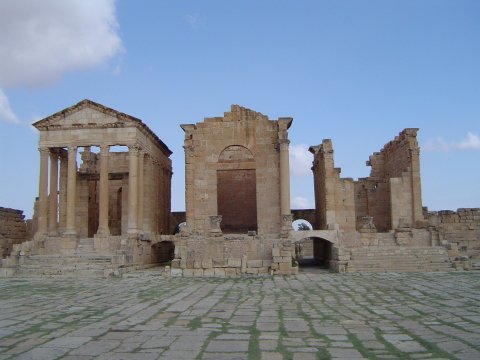
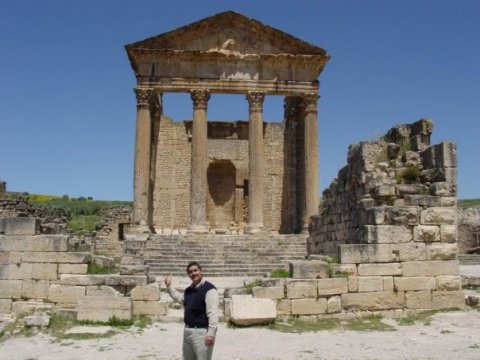
A three day safari to Sbeitla, southwest of Kairouan, to discover the splendor of the ruins of the old roman town of Sufetula. It has been suggested that the Romans built the town which grew more important after El Jem and Sousse rebelled. Our visit to the impressive ruins features such highlights as the great baths, the theater perched above the dry river bed, the 2nd century forum and the amphitheater.
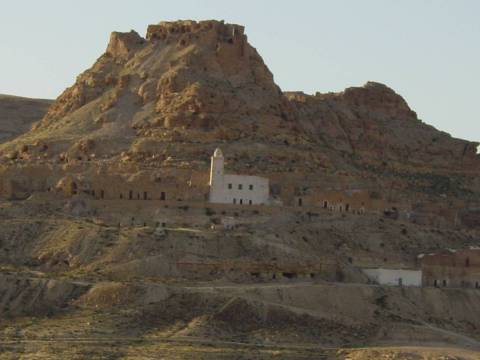
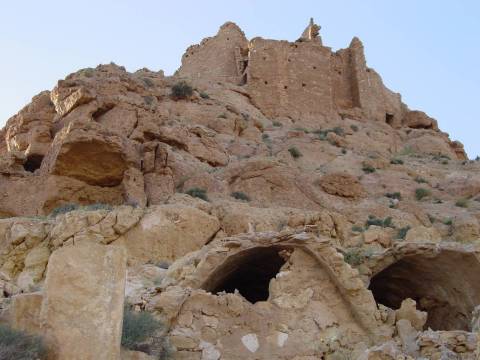
TWO DAY TRIP TO THE SAHARA Visit the roman coliseum of El Jem, the third largest in the world. Visit Matmata the most fabulous of the Berber villages. Visit Douz, the desert’s gate, where one can organize a camel ride on the dunes of the Sahara. Cross the Chott Eljerid, the largest salt lake of the country. Visit the mountainous oases of the Saharan atlas Chebika and Tamerza.Visit Kairouan for religion and for handicrafts
Our Tunisian holiday vacation rental residence and villas is richly furnished offers satellite TV, air conditioning, a garage with private parking, 5 bathrooms, 5 bedrooms, fully equipped kitchen, a lush garden, internet access and a telephone. Nearby is a restaurant with typical Tunisian food, a café, a super market and a children’s park. We are located in the loveliest and most fabulous beaches of tunisia.
VILLA IN TUNISIA KELIBIA A WONDERFUL VILLA LOCATED ON THE MOST BEAUTTIFUL BEACHES OF TUNISIAUNE VILLA LUXUEUSE PRES DES ¨LUS BRKKES PLAGES DER LA TUNISIEUNA VILLA LUSSUOSA VICCINO LE PIU BELLE SPIAGGE DELLA TUNISIA
Charming and wonderful sea locations, amazing natural landscapes, tradition and culture. Enjoy your holidays in beautiful dream places, live your unique emotions near the most famous beaches of tunikelibia beach
our villa is located close to restaurants hotels cafes supermarket and the punic and roman sites as well as the fishing port of kelibia
VILLA EN TUNISIE
tres richement meublee pres des plus belles plages de la tunisie kelibia beach
Villa de 350 m² à Kelibia (Tunisie), Quartier Residentiel
Villa de 350 m² pour des vacances à la mer
Quartier Residentiel, Kelibia, Tunisie
Jusqu'à 4 personnes :
climatiseur
parking pv
jardin
parassole jardin
3 chambres 2 lits doubles 2 lits simples 3 canapés-lits 1 salle de bain 1 WC
une villa tres luxueuse pres des plus belles plages de la tunisiekelibia beachblue flag
Aménagements de la location
Cuisine indépendante Séjour Salon Terrasse Jardin Garage Environnement de la location
Bord de mer (< 1 km) Éléments pratiques
Proche commerce Proche centre ville Non fumeur Véhicule conseillé Équipements disponibles
Vaisselle Ustensiles Réfrigérateur Congélateur Four Micro-Onde Lave linge Fer à repasser Climatisation Aspirateur Téléviseur Magnétoscope Lecteur DVD Cable Satellite Téléphone Accès Internet Salon de jardin Activités disponibles aux alentours
Randonnées Tennis Baignade Pêche Thermalisme Cinéma Discothèque Parc de loisir Voile Plongée Pistes cyclables Tarifs et disponibilités
Les tarifs sont fournis à la semaine.
Disponible en Basse Saison : 350 €
Disponible en Moyenne Saison : 400 €
Disponible en Haute Saison : 420 €
Disponible en Très Haute Saison : 450 €
villa in tunisia kelibia
una villa lussuoasa viccina la piu bella spiaggia della tunisia kelibia beach
Our Tunisian holiday vacation rental villa is richly furnished offers satellite TV, air conditioning, a garage with private parking, 5 bathrooms, 5 bedrooms, fully equipped kitchen, a lush garden, internet access and a telephone. Nearby is a restaurant with typical Tunisian food, a café, a super market and a children’s park. We are located in the loveliest and most fabulous beaches of tunisia.
Tunisia is a country of many contrasts where visitors are offered fine beaches, wooded mountains, busy cities and the grandiose expanse of the desert. Tunisia has always been welcoming to man whose traces can be found everywhere in various forms. The Tunisian Sahara covers more than half the country and is a fascinating ecological environment. In the northern desert there are many long standing human settlements, traditional urban complexes, mountain villages and oases. Our lovely Villa rental is the perfect place from which to explore this rich historical landscape.
Further south the desert becomes more pronounced only protected by wild flora and fauna and occasional traces of human presence survive here. Rare fortifications and wells for the survival of the nomads and caravans can also be found. Spectacular but vulnerable settlements established far back in the country’s history constitute opportunities to discover the desert’s age.
Today is the perfect time to make plans to visit and stay in Tunisia and our lovely vacation rental villa in Tunisia.
***************************************************
KAIROUAN – SOUSSE – MONASTIR
This religious centre, the holy city of Kairouan, nicknamed the “town with three hundred mosques” is the spiritual home of all Tunisians where the minaret of the Great Mosque looms over the skyline of the city. Kairouan, the former capital of the Aghlabid emirs, is a place of tremendous historical significance. The spell binding old town fascinates its visitors. The Great Mosque, the symbol of Kairouan, dates from the 9th century and has been in use by Islamic worshippers longer than any other mosque in North Africa. It is a masterpiece of Islamic architecture with exquisite wood carved doors and stucco arabesques, bearing witness to its past glory. The mosque itself is a virtual fortress.
Next is the Barbier Mausoleum, also known as the Mosque of Sidi Sahab. The mosque and its surrounding complex are still a much venerated pilgrimage site. Most of the existing buildings date from the 17th and 19th centuries. Abu Zama El Belaoui, who was buried here, was one of the companions of the Prophet. He always kept three hairs of the Prophet’s beard with him and hence the tendency to call him the Prophet’s barber.
Visit the Aghlibythes Pools which dip down into the porous rocks far below the city. The cisterns are filled by rain that has been collected from courtyards and rooftops. In the 9th century, the city’s water problem was solved by building a 35 km long aqueduct from the foothills of the Tell Mountains. Many of the pools have since been restored and have been equipped with fountains and lights.
Next is the Medina with its imposing walls and monumental gates. Here you will find hundreds of shops where the world famous Kairouan carpets, made of pure wool, are woven and sold. Since Kairouan is the oldest and most renowned carpet center located in Tunisia, we will stop to admire Tunisian craftsmen as they blend traditional Tunisian patterns.
Visit the medina of Sousse, the third largest city in Tunisia. The distinctive Ribat begun in 821 is the best preserved example of a type of building peculiar to this era in North African history. Being Sousse’s oldest Islamic monument, it was part of a chain of fortresses found along the North African Coast. For a Muslim to serve in a Ribat for a certain number of days was said to guarantee a place in paradise.
Monastir is the birth place of the famous first president Bourghiba. Monastir, once just a fishing port on the Sahel coast and formerly known as Ruspina, served as Julius Caesar’s operation base for his African campaign. A visit will be made to the Castle. The historical monuments of the city are found within the crenellated walls of the Medina and testify to the city’s long lasting importance.
OTHER ONE DAY TRIPS
THE CAP BON Visit Nabeul, the ancient neapolis. Visit Dar Chabane for the stone carvings and the handicrafts. Visit the fishing harbor of Kelibia. Visit Kerkouane, the most famous Punic site of Tunisia. Visit the Punic and Roman stone quarries of Elhaouaria. Visit the orchards of fruit trees.
TWO DAY TRIP
A three day safari to Sbeitla, southwest of Kairouan, to discover the splendor of the ruins of the old roman town of Sufetula. It has been suggested that the Romans built the town which grew more important after El Jem and Sousse rebelled. Our visit to the impressive ruins features such highlights as the great baths, the theater perched above the dry river bed, the 2nd century forum and the amphitheater.
TWO DAY TRIP TO THE SAHARA Visit the roman coliseum of El Jem, the third largest in the world. Visit Matmata the most fabulous of the Berber villages. Visit Douz, the desert’s gate, where one can organize a camel ride on the dunes of the Sahara. Cross the Chott Eljerid, the largest salt lake of the country. Visit the mountainous oases of the Saharan atlas Chebika and Tamerza.Visit Kairouan for religion and for handicrafts
Garage
Covered Parking
Utensils
Refrigerator
Microwave
Full Kitchen
Coffee Maker
TV/VCR
Phone
High Speed Internet
CD Player
Cable/Satellite TV
Air Conditioning
A wonderful villa near the most fabulous beaches of tunisia kelibia beach very quiet for couples and families who seek the tranquility and confort near tghe beaches and fishing port the souks and the major punic and roman remains
louer une belle villa en tunisieaffitare una bella villa in tunisiaein wunderschone villa zu mieten
tunisiaA land of ancient exotica spiced with modern luxury.
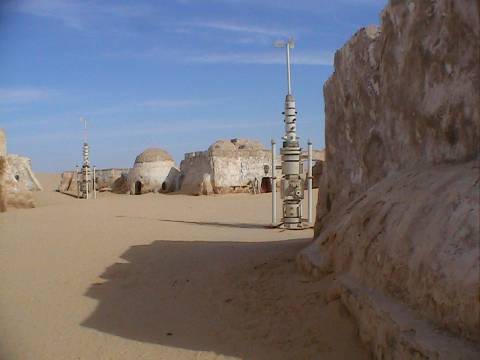
Tunisia's list of attractions would do justice to a country twice its size. From the Roman-era hot springs at Hamman Mellegue to the space-age sets of Star Wars (parts of which were filmed at Matmata), its lush-to-lunar landscapes have seen more action than the New World nations combined.
Spend a few days here and you'll agree: daydreaming at the famous Roman ruins of Carthage and El-Jem is almost as good as stepping into Virgil's Aeneid and knocking one back with Dido, while a day's dawdling on the north coast's beaches or those of Jerba Island, the 'Land of the Lotus Eaters', will leave you wondering why Hannibal ever left.
A beautiful very quiet villa near the most beautiful beaches of Tunisia.
WELL FURNISHED WITH HEATING IN WINTER TRANFERS TO AND FROM THE AIRPORT POSSIBLE TO RENT A CAR POSSIBLE TO GET A COOK AND A MAID
POSSIBILITE D UNE CUISINIEREOU UNE FEMME DE CHAMBRE
louer une belle villa en tunisieaffitare una bella villa in tunisiaein wunderschone villa zu mieten
tunisiaA land of ancient exotica spiced with modern luxury.
Tunisia's list of attractions would do justice to a country twice its size. From the Roman-era hot springs at Hamman Mellegue to the space-age sets of Star Wars (parts of which were filmed at Matmata), its lush-to-lunar landscapes have seen more action than the New World nations combined.
Spend a few days here and you'll agree: daydreaming at the famous Roman ruins of Carthage and El-Jem is almost as good as stepping into Virgil's Aeneid and knocking one back with Dido, while a day's dawdling on the north coast's beaches or those of Jerba Island, the 'Land of the Lotus Eaters', will leave you wondering why Hannibal ever left.
A beautiful very quiet villa near the most beautiful beaches of Tunisia.
WELL FURNISHED WITH HEATING IN WINTER TRANFERS TO AND FROM THE AIRPORT POSSIBLE TO RENT A CAR POSSIBLE TO GET A COOK AND A MAID
POSSIBILITE D UNE CUISINIEREOU UNE FEMME DE CHAMBRE
Hunting
Windsurfing
Waterskiing
Swimming
Surfing
Jet Skiing
Fishing
Boating
Theaters / Cinemas
Tennis
Sightseeing
Shopping
Restaurants
Museums
Biking
Basketball
Amusement Parks
contact Borhane Ben Brahim ben abderrahman+21698226916A country of northern Africa bordering on the Mediterranean Sea. Settled in ancient times by the Phoenicians and dominated after the 6th century B.C. by the Carthaginians, the area later fell to the Romans (2nd century B.C.), Vandals (5th century A.D.), and Byzantines (6th century) before being conquered by the Arabs in the 7th century. Tunisia was taken over by the Ottoman Turks in the late 16th century and, as one of the Barbary States, was used as a base by pirates raiding ships in the Mediterranean. It became a French protectorate in 1881 and achieved full independence in 1956. Tunis is the capital and the largest city. Population: 10,300,000.
. Population: (2010 est.) 10,374,000. Capital: Tunis. The population is of Arab and Amazigh ancestry. Languages: Arabic (official), French. Religion: Islam (official; predominantly Sunni). Currency: Tunisian dinar. Tunisia comprises a coastal region, mountains, an extensive hilly steppe, a marshy area with shallow salt lakes, and a tract of the Sahara. The Majardah is its longest (about 290 mi [460 km]) and only perennial river. Tunisia contains some of the largest phosphate and natural gas reserves in Africa, as well as substantial oil reserves. Major economic activities are services, agriculture, light industries, and the production and export of petroleum and phosphates. Tourism, focusing on Tunisia's beaches and Roman ruins, is also important. Tunisia is a republic with two legislative houses; its head of state is the president, and the head of government is the prime minister. From the 12th century BCE the Phoenicians had a series of trading posts on the North African coast. By the 6th century BCE the Carthaginian kingdom encompassed most of present-day Tunisia. The Romans ruled from 146 BCE. It was part of the Byzantine Empire until the Muslim Arab invasions in the mid-7th century CE. The area was fought over, won, and lost by many, including the 'Abbasid dynasty, the Almohad dynasty, Spain, and the Ottoman Empire, which conquered it in 1574 and held it until the late 19th century. For a time it maintained autonomy as the French, British, and Italians contended for the region. In 1881 it became a French protectorate. During World War II (1939 – 45) U.S. and British forces captured it (1943), putting an end to a brief German occupation. France granted it full independence in 1956; Habib Bourguiba assumed power and remained in power until he was forced from office in 1987. His successor, Zine al-Abidine Ben Ali, continued with a similar authoritarian-style rule until 2011, when he stepped down amid an unprecedented level of unrest in the country.For more information on Tunisia, visit Britannica.com.
Like its Maghrebian and Sub-Saharan counterparts, Tunisian literature in French is the result of colonization. Tunisia became an independent state in 1956. Most Tunisian writing is in Arabic but, although their overall literary production remains limited, francophone Tunisian writers of the post-Independence generation, unlike their fellow writers from Algeria and Morocco, have quickly and effectively transcended the problematics of decolonization and national identity. In the last decade, in particular, Tunisian literature in French (published for the most part in France) has become a forum for cross-cultural experiments that are more in consonance with Postmodern aesthetic conceptions and intellectual preoccupations than with the concerns of post-colonial politics.
The best exponent of this new versatility is Albert Memmi, Tunisia's leading writer. In his earlier writtings Memmi examines, in terms of Sartrean dialectics, the colonial situation and its consequences (cultural alienation, loss of identity, bilingualism, mixed marriage), especially for the educated among the colonized. The theme of colonialism is extended in the essays of the 1960s to that of dominance and oppression; in his later symbolic novels and his only book of poems, Le Mirliton du ciel (1990), Memmi explores more universal questions.
Mustapha Tlili has written fiction rooted in a multi-cultural and multiracial context. His novels explore the psychological and social after-effects of colonization on his expatriate characters and explore the dialectic of exile and creation. With his two novels, and his poem Tombeau d'Ibn Arabi, Abdelwahab Meddeb has established a secure literary reputation as a writer in the Postmodernist manner. His writing is encyclopaedic in its scope and themes. He practises collage as an expression of his many sundered sensibilities and moods, and enters into dialogue with kindred spirits, ancient and modern, from East and West. Like Meddeb, Fawzi Mellah uses intersubjectivity and intertextuality as dialogic practices in his novels.
Poetry, however, remains the dominant genre in contemporary Tunisian writing (there is little significant dramatic work). Hédi Bouraoui, an academic by training, has tried his hand at every conceivable genre: fiction, poetry, criticism, and drama, often fusing them in a fascinating and original manner. The poetry of Mohamed Aziza is a constant search for a truer and more authentic self. For Majid El-Houssi poetic language is a tool with which he subverts and manipulates his cross-cultural reality. In the promising work of Tahar Bekri (b. 1951), Poèmes bilingues (1978), Exils (1979), Le Laboureur du soleil, suivi de les Grappes de la nuit (1983), Les Lignes sont des arbres (1984), and Le Chant du roi errant (1985), poetic exploration is concomitant with the quest for identity. While the poetry of Abdelaziz Kacem (b. 1933) is serene and urbane, dwelling on symbols and myths as in Le Frontal, suivi de AL? Dresden, on efface ton nom (1983), that of Salah Garmadi (1933-82) and Moncef Ghachem (b. 1946) is dominated by anger and denunciation and is anchored in everyday reality. They write in a populist vein, debunk bourgeois social values, and promote revolution and freedom. For Amina Saïd, the best known of a number of contemporary women writers, the feminine lyrical voice is not only a catharsis but the catalyst of social, moral, and cultural emancipation.
TopTunisia (tūnē'zhə, tyū-), Fr. Tunisie, officially Republic of Tunisia, republic (2005 est. pop. 10,075,000), 63,378 sq mi (164,150 sq km), NW Africa. Occupying the eastern portion of the great bulge of North Africa, Tunisia is bounded on the west by Algeria, on the north and east by the Mediterranean Sea, and on the southeast by Libya. The capital and largest city is Tunis.Land and People
Tunisia has a highly irregular coastline that affords many bays and several fine harbors, notably Bizerte, Qabis, Safaqis, and Susah. Part of the Atlas Mts. runs through N Tunisia; but, unlike Morocco and Algeria, the mountains in Tunisia rarely exceed 4,000 ft (1,219 m) in elevation. In the south, below the Chott Djerid (a great salt lake), stretches the Sahara Desert. The population, which is largely Berber and Arab, lives mainly near the coast, in urban areas. Most Tunisians are Sunni Muslims; there is a small Jewish community dating back to ancient times, although most have emigrated to Israel or France. Tunisians of all backgrounds have migrated to France in significant numbers. Arabic is the official language, but French also is spoken.
Economy
Although the mining, energy, tourism, and manufacturing sectors of the economy are important, and the country has become increasingly middle class, over half of Tunisia's workers are engaged in farming. The agricultural sector, however, accounts for less than 15% of the GDP. The leading crops are olives, wheat, barley, tomatoes, citrus, sugar beets, dates, and almonds. Livestock raising and fishing are also important. Because irrigation is inadequate, agricultural production varies widely according to rainfall.
Petroleum was found (1964) in the Sahara not far from the Algerian border, and production began in 1966; subsequent oil discoveries have increased production significantly. Recent developments in the extraction of natural gas, centered in the Gulf of Gabes, have made the country more self-sufficient. Tunisia has large phosphate reserves and iron ore is found in quantity. Zinc, lead, and salt are also mined.
Tunisia's industries (located primarily in Tunis) produce textiles, leather, steel, and foods and beverages. Tourism is also an important economic activity. Petroleum, phosphates, chemicals, textiles and clothing, and olive oil are the country's leading exports; its imports are headed by textiles, machinery and equipment, hydrocarbons, chemicals, and food (particularly cereals). France, Italy, Germany, Spain, and Libya are the main trade partners.
Government
Tunisia is governed under the constitution of 1959 as amended. The president, who is the head of state, is popularly elected for a five-year term, with no term limits. The bicameral parliament consists of the 189-seat Chamber of Deputies, whose members are popularly elected every five years, and the 126-seat Chamber of Advisers, whose members are either appointed by the president (41) or elected by indirect vote (85) and serve six-year terms. The prime minister, who is the head of government, and cabinet are appointed by the president. Administratively, the country is divided into 24 governates.
History
Early History
The coast of Tunisia was settled in 10th cent. B.C. by Phoenicians. In the 6th cent. B.C., Carthage rose to power, but it was conquered by Rome (2d cent. B.C.), and the region became one of the granaries of Rome. It was held by Vandals (5th cent. A.D.) and Byzantines (6th cent.). In the 7th cent. it was conquered by Arabs, who founded Al Qayrawan. The region became known as Ifriqiya and the Berber population was converted to Islam. Successive Muslim dynasties ruled, interrupted by Berber rebellions. The reigns of the Aghlabids (9th cent.) and of the Zirids (from 972), Berber followers of the Fatimids, were especially prosperous. When the Zirids angered the Fatimids in Cairo (1050), the latter ravaged Tunisia.
The coasts were briefly held by the Normans of Sicily in the 12th cent. In 1159, Tunisia was conquered by the Almohad caliphs of Morocco. The Almohads were succeeded by the Berber Hafsids (c.1230-1574), under whom Tunisia prospered. In the last years of the Hafsids, Spain seized many of the coastal cities, but they were recovered for Islam by the Ottoman Turks. Under its Turkish governors, the beys, Tunisia attained virtual independence. In the late 16th cent. the coast became a pirate stronghold (see Barbary States). The Hussein dynasty of beys, established in 1705, lasted until 1957.
European Influence and Nationalist Aspirations
In the 19th cent. the heavy debts that the beys had contracted gave European powers cause for intervention. France, Great Britain, and Italy took over Tunisia's finances in 1869. A number of incidents, including attacks by Tunisians on Algeria (a French possession since 1830), led to a French invasion of Tunisia. The bey was forced to sign the treaties of Bardo (1881) and Mersa (1883), which provided for the organization of a protectorate under a French resident general. The protectorate was opposed by Italy, which had economic interests and a sizable group of nationals in Tunisia. Italy's attitude grew increasingly belligerent, and, in the years immediately preceding World War I, threats of annexation were made.
A nationalist movement developed fairly quickly in Tunisia. In 1920 the Destour (Constitutional) party was organized. In 1934 a more radical faction, led by Habib Bourguiba, formed the Neo-Destour party. In World War II, Tunisia came under Vichy rule after the fall of France (June, 1940). Major battles of the war in North Africa were fought in Tunisia (see North Africa, campaigns in). After the war nationalist agitation intensified. In 1950, France granted Tunisia a large degree of autonomy. The French population in Tunisia, however, opposed further reforms, and negotiations broke down. Bourguiba was arrested (1952), and his imprisonment precipitated a wave of violence.
Tunisia since Independence
In 1955, France granted Tunisia complete internal self-government. Full independence was negotiated in 1956, and Habib Bourguiba became prime minister. The country became a republic in 1957 when the bey, Sidi Lamine, was deposed by a vote of the constituent assembly, which then made Bourguiba president. Bourguiba followed a generally pro-Western foreign policy, but relations with France were strained over Algerian independence, which Tunisia supported, and the evacuation of French troops from Tunisia. The French naval installations at Bizerte were the scene of violent confrontation in 1961; France finally agreed to evacuate them in 1963.
Relations between Tunisia and Algeria deteriorated after the latter gained its independence from France in 1962, and border disputes between the two countries were not settled until 1970. Bourguiba's support for a negotiated settlement with Israel in the Arab-Israeli conflict caused strains in its relations with other Arab countries. Domestically, Bourguiba's policies emphasized modernization and planned economic growth. An agrarian reform plan, involving the formation of cooperatives, was begun in 1962, but it was halted in 1969 due to harsh implementation and corruption.
The 1970s saw increasing conflict within the ruling Destour party between liberals and conservatives, as well as public demonstrations against the government. However, Bourguiba's socialist government enjoyed a long period of favorable relations with France and became a moderating influence in the Arab League. In 1981, Bourguiba authorized the legal formation of opposition political parties, indicating a possible shift in the direction of democracy, and multiparty legislative elections were held for the first time in 1981. By 1986, six opposition parties had legal status. Nonetheless, the 1980s were largely characterized by popular unrest and labor difficulties, as well as a search for the aging Bourguiba's successor.
In 1987, Bourguiba was ousted by Gen. Zine El Abidine Ben Ali, ostensibly for reasons of senility. The new regime restored diplomatic relations with Libya and signed a treaty of economic cooperation with Libya, Algeria, Mauritania, and Morocco (see under Maghreb). Ben Ali initially moved toward liberal reforms, but after the 1989 elections, in which Islamic activists made a strong showing, he instituted repressive measures against them. During the 1994 election campaign, the government arrested political dissidents and barred the Islamic party Al Nahda from participating. Running uncontested and endorsed by all the legal opposition parties, Ben Ali drew nearly 100% of the vote.
In 1999, Ben Ali was again reelected with nearly 100% of the vote; he faced a token challenge from two opposition candidates. A constitutional amendment, approved in 2002 in a referendum by a similar margin, permitted the president to run for more than two terms. In 2004 and 2009 Ben Ali was reelected a lopsided share (94% and 89%) of the vote; he again faced only token opposition. The landslide victories of Ben Ali and the government party were marked by intimidation and credible accusations of vote-rigging.
In Dec., 2010, protests began against Ben Ali's government, sparked by the self-immolation of an unlicensed vendor who had his stall confiscated by police and fed by anger over high unemployment, rising prices, and government corruption. The demonstrations continued into the next month, and intensified after police killed a number of protesters. Ben Ali's rule collapsed in a matter of weeks, and he went into exile in Jan., 2011. He later was convicted in absentia of embezzlement and other charges.
An interim government was formed, with Fouad Mebazza, the parliament speaker, as president and Mohamed Ghannouchi remaining as prime minister. Though the cabinet included opposition members, the presence of former ruling party officials in the government was opposed by some, and the political environment remained unsettled. Ghannouchi resigned the following month and Beji Caid-Essebsi succeeded him. Elections for a constituent assembly (to write a new constitution) were planned for July, but subsequently they were postponed to October to allow more time for preparation.
RESIDENCE&VILLAs IN TUNISIA KELIBIA BEACH
A country of northern Africa bordering on the Mediterranean Sea. Settled in ancient times by the Phoenicians and dominated after the 6th century B.C. by the Carthaginians, the area later fell to the Romans (2nd century B.C.), Vandals (5th century A.D.), and Byzantines (6th century) before being conquered by the Arabs in the 7th century. Tunisia was taken over by the Ottoman Turks in the late 16th century and, as one of the Barbary States, was used as a base by pirates raiding ships in the Mediterranean. It became a French protectorate in 1881 and achieved full independence in 1956. Tunis is the capital and the largest city. Population: 10,300,000.
. Population: (2010 est.) 10,374,000. Capital: Tunis. The population is of Arab and Amazigh ancestry. Languages: Arabic (official), French. Religion: Islam (official; predominantly Sunni). Currency: Tunisian dinar. Tunisia comprises a coastal region, mountains, an extensive hilly steppe, a marshy area with shallow salt lakes, and a tract of the Sahara. The Majardah is its longest (about 290 mi [460 km]) and only perennial river. Tunisia contains some of the largest phosphate and natural gas reserves in Africa, as well as substantial oil reserves. Major economic activities are services, agriculture, light industries, and the production and export of petroleum and phosphates. Tourism, focusing on Tunisia's beaches and Roman ruins, is also important. Tunisia is a republic with two legislative houses; its head of state is the president, and the head of government is the prime minister. From the 12th century BCE the Phoenicians had a series of trading posts on the North African coast. By the 6th century BCE the Carthaginian kingdom encompassed most of present-day Tunisia. The Romans ruled from 146 BCE. It was part of the Byzantine Empire until the Muslim Arab invasions in the mid-7th century CE. The area was fought over, won, and lost by many, including the 'Abbasid dynasty, the Almohad dynasty, Spain, and the Ottoman Empire, which conquered it in 1574 and held it until the late 19th century. For a time it maintained autonomy as the French, British, and Italians contended for the region. In 1881 it became a French protectorate. During World War II (1939 – 45) U.S. and British forces captured it (1943), putting an end to a brief German occupation. France granted it full independence in 1956; Habib Bourguiba assumed power and remained in power until he was forced from office in 1987. His successor, Zine al-Abidine Ben Ali, continued with a similar authoritarian-style rule until 2011, when he stepped down amid an unprecedented level of unrest in the country.For more information on Tunisia, visit Britannica.com.
Like its Maghrebian and Sub-Saharan counterparts, Tunisian literature in French is the result of colonization. Tunisia became an independent state in 1956. Most Tunisian writing is in Arabic but, although their overall literary production remains limited, francophone Tunisian writers of the post-Independence generation, unlike their fellow writers from Algeria and Morocco, have quickly and effectively transcended the problematics of decolonization and national identity. In the last decade, in particular, Tunisian literature in French (published for the most part in France) has become a forum for cross-cultural experiments that are more in consonance with Postmodern aesthetic conceptions and intellectual preoccupations than with the concerns of post-colonial politics.
The best exponent of this new versatility is Albert Memmi, Tunisia's leading writer. In his earlier writtings Memmi examines, in terms of Sartrean dialectics, the colonial situation and its consequences (cultural alienation, loss of identity, bilingualism, mixed marriage), especially for the educated among the colonized. The theme of colonialism is extended in the essays of the 1960s to that of dominance and oppression; in his later symbolic novels and his only book of poems, Le Mirliton du ciel (1990), Memmi explores more universal questions.
Mustapha Tlili has written fiction rooted in a multi-cultural and multiracial context. His novels explore the psychological and social after-effects of colonization on his expatriate characters and explore the dialectic of exile and creation. With his two novels, and his poem Tombeau d'Ibn Arabi, Abdelwahab Meddeb has established a secure literary reputation as a writer in the Postmodernist manner. His writing is encyclopaedic in its scope and themes. He practises collage as an expression of his many sundered sensibilities and moods, and enters into dialogue with kindred spirits, ancient and modern, from East and West. Like Meddeb, Fawzi Mellah uses intersubjectivity and intertextuality as dialogic practices in his novels.
Poetry, however, remains the dominant genre in contemporary Tunisian writing (there is little significant dramatic work). Hédi Bouraoui, an academic by training, has tried his hand at every conceivable genre: fiction, poetry, criticism, and drama, often fusing them in a fascinating and original manner. The poetry of Mohamed Aziza is a constant search for a truer and more authentic self. For Majid El-Houssi poetic language is a tool with which he subverts and manipulates his cross-cultural reality. In the promising work of Tahar Bekri (b. 1951), Poèmes bilingues (1978), Exils (1979), Le Laboureur du soleil, suivi de les Grappes de la nuit (1983), Les Lignes sont des arbres (1984), and Le Chant du roi errant (1985), poetic exploration is concomitant with the quest for identity. While the poetry of Abdelaziz Kacem (b. 1933) is serene and urbane, dwelling on symbols and myths as in Le Frontal, suivi de AL? Dresden, on efface ton nom (1983), that of Salah Garmadi (1933-82) and Moncef Ghachem (b. 1946) is dominated by anger and denunciation and is anchored in everyday reality. They write in a populist vein, debunk bourgeois social values, and promote revolution and freedom. For Amina Saïd, the best known of a number of contemporary women writers, the feminine lyrical voice is not only a catharsis but the catalyst of social, moral, and cultural emancipation.
TopTunisia (tūnē'zhə, tyū-), Fr. Tunisie, officially Republic of Tunisia, republic (2005 est. pop. 10,075,000), 63,378 sq mi (164,150 sq km), NW Africa. Occupying the eastern portion of the great bulge of North Africa, Tunisia is bounded on the west by Algeria, on the north and east by the Mediterranean Sea, and on the southeast by Libya. The capital and largest city is Tunis.Land and People
Tunisia has a highly irregular coastline that affords many bays and several fine harbors, notably Bizerte, Qabis, Safaqis, and Susah. Part of the Atlas Mts. runs through N Tunisia; but, unlike Morocco and Algeria, the mountains in Tunisia rarely exceed 4,000 ft (1,219 m) in elevation. In the south, below the Chott Djerid (a great salt lake), stretches the Sahara Desert. The population, which is largely Berber and Arab, lives mainly near the coast, in urban areas. Most Tunisians are Sunni Muslims; there is a small Jewish community dating back to ancient times, although most have emigrated to Israel or France. Tunisians of all backgrounds have migrated to France in significant numbers. Arabic is the official language, but French also is spoken.
Economy
Although the mining, energy, tourism, and manufacturing sectors of the economy are important, and the country has become increasingly middle class, over half of Tunisia's workers are engaged in farming. The agricultural sector, however, accounts for less than 15% of the GDP. The leading crops are olives, wheat, barley, tomatoes, citrus, sugar beets, dates, and almonds. Livestock raising and fishing are also important. Because irrigation is inadequate, agricultural production varies widely according to rainfall.
Petroleum was found (1964) in the Sahara not far from the Algerian border, and production began in 1966; subsequent oil discoveries have increased production significantly. Recent developments in the extraction of natural gas, centered in the Gulf of Gabes, have made the country more self-sufficient. Tunisia has large phosphate reserves and iron ore is found in quantity. Zinc, lead, and salt are also mined.
Tunisia's industries (located primarily in Tunis) produce textiles, leather, steel, and foods and beverages. Tourism is also an important economic activity. Petroleum, phosphates, chemicals, textiles and clothing, and olive oil are the country's leading exports; its imports are headed by textiles, machinery and equipment, hydrocarbons, chemicals, and food (particularly cereals). France, Italy, Germany, Spain, and Libya are the main trade partners.
Government
Tunisia is governed under the constitution of 1959 as amended. The president, who is the head of state, is popularly elected for a five-year term, with no term limits. The bicameral parliament consists of the 189-seat Chamber of Deputies, whose members are popularly elected every five years, and the 126-seat Chamber of Advisers, whose members are either appointed by the president (41) or elected by indirect vote (85) and serve six-year terms. The prime minister, who is the head of government, and cabinet are appointed by the president. Administratively, the country is divided into 24 governates.
History
Early History
The coast of Tunisia was settled in 10th cent. B.C. by Phoenicians. In the 6th cent. B.C., Carthage rose to power, but it was conquered by Rome (2d cent. B.C.), and the region became one of the granaries of Rome. It was held by Vandals (5th cent. A.D.) and Byzantines (6th cent.). In the 7th cent. it was conquered by Arabs, who founded Al Qayrawan. The region became known as Ifriqiya and the Berber population was converted to Islam. Successive Muslim dynasties ruled, interrupted by Berber rebellions. The reigns of the Aghlabids (9th cent.) and of the Zirids (from 972), Berber followers of the Fatimids, were especially prosperous. When the Zirids angered the Fatimids in Cairo (1050), the latter ravaged Tunisia.
The coasts were briefly held by the Normans of Sicily in the 12th cent. In 1159, Tunisia was conquered by the Almohad caliphs of Morocco. The Almohads were succeeded by the Berber Hafsids (c.1230-1574), under whom Tunisia prospered. In the last years of the Hafsids, Spain seized many of the coastal cities, but they were recovered for Islam by the Ottoman Turks. Under its Turkish governors, the beys, Tunisia attained virtual independence. In the late 16th cent. the coast became a pirate stronghold (see Barbary States). The Hussein dynasty of beys, established in 1705, lasted until 1957.
European Influence and Nationalist Aspirations
In the 19th cent. the heavy debts that the beys had contracted gave European powers cause for intervention. France, Great Britain, and Italy took over Tunisia's finances in 1869. A number of incidents, including attacks by Tunisians on Algeria (a French possession since 1830), led to a French invasion of Tunisia. The bey was forced to sign the treaties of Bardo (1881) and Mersa (1883), which provided for the organization of a protectorate under a French resident general. The protectorate was opposed by Italy, which had economic interests and a sizable group of nationals in Tunisia. Italy's attitude grew increasingly belligerent, and, in the years immediately preceding World War I, threats of annexation were made.
A nationalist movement developed fairly quickly in Tunisia. In 1920 the Destour (Constitutional) party was organized. In 1934 a more radical faction, led by Habib Bourguiba, formed the Neo-Destour party. In World War II, Tunisia came under Vichy rule after the fall of France (June, 1940). Major battles of the war in North Africa were fought in Tunisia (see North Africa, campaigns in). After the war nationalist agitation intensified. In 1950, France granted Tunisia a large degree of autonomy. The French population in Tunisia, however, opposed further reforms, and negotiations broke down. Bourguiba was arrested (1952), and his imprisonment precipitated a wave of violence.
Tunisia since Independence
In 1955, France granted Tunisia complete internal self-government. Full independence was negotiated in 1956, and Habib Bourguiba became prime minister. The country became a republic in 1957 when the bey, Sidi Lamine, was deposed by a vote of the constituent assembly, which then made Bourguiba president. Bourguiba followed a generally pro-Western foreign policy, but relations with France were strained over Algerian independence, which Tunisia supported, and the evacuation of French troops from Tunisia. The French naval installations at Bizerte were the scene of violent confrontation in 1961; France finally agreed to evacuate them in 1963.
Relations between Tunisia and Algeria deteriorated after the latter gained its independence from France in 1962, and border disputes between the two countries were not settled until 1970. Bourguiba's support for a negotiated settlement with Israel in the Arab-Israeli conflict caused strains in its relations with other Arab countries. Domestically, Bourguiba's policies emphasized modernization and planned economic growth. An agrarian reform plan, involving the formation of cooperatives, was begun in 1962, but it was halted in 1969 due to harsh implementation and corruption.
The 1970s saw increasing conflict within the ruling Destour party between liberals and conservatives, as well as public demonstrations against the government. However, Bourguiba's socialist government enjoyed a long period of favorable relations with France and became a moderating influence in the Arab League. In 1981, Bourguiba authorized the legal formation of opposition political parties, indicating a possible shift in the direction of democracy, and multiparty legislative elections were held for the first time in 1981. By 1986, six opposition parties had legal status. Nonetheless, the 1980s were largely characterized by popular unrest and labor difficulties, as well as a search for the aging Bourguiba's successor.
In 1987, Bourguiba was ousted by Gen. Zine El Abidine Ben Ali, ostensibly for reasons of senility. The new regime restored diplomatic relations with Libya and signed a treaty of economic cooperation with Libya, Algeria, Mauritania, and Morocco (see under Maghreb). Ben Ali initially moved toward liberal reforms, but after the 1989 elections, in which Islamic activists made a strong showing, he instituted repressive measures against them. During the 1994 election campaign, the government arrested political dissidents and barred the Islamic party Al Nahda from participating. Running uncontested and endorsed by all the legal opposition parties, Ben Ali drew nearly 100% of the vote.
In 1999, Ben Ali was again reelected with nearly 100% of the vote; he faced a token challenge from two opposition candidates. A constitutional amendment, approved in 2002 in a referendum by a similar margin, permitted the president to run for more than two terms. In 2004 and 2009 Ben Ali was reelected a lopsided share (94% and 89%) of the vote; he again faced only token opposition. The landslide victories of Ben Ali and the government party were marked by intimidation and credible accusations of vote-rigging.
In Dec., 2010, protests began against Ben Ali's government, sparked by the self-immolation of an unlicensed vendor who had his stall confiscated by police and fed by anger over high unemployment, rising prices, and government corruption. The demonstrations continued into the next month, and intensified after police killed a number of protesters. Ben Ali's rule collapsed in a matter of weeks, and he went into exile in Jan., 2011. He later was convicted in absentia of embezzlement and other charges.
An interim government was formed, with Fouad Mebazza, the parliament speaker, as president and Mohamed Ghannouchi remaining as prime minister. Though the cabinet included opposition members, the presence of former ruling party officials in the government was opposed by some, and the political environment remained unsettled. Ghannouchi resigned the following month and Beji Caid-Essebsi succeeded him. Elections for a constituent assembly (to write a new constitution) were planned for July, but subsequently they were postponed to October to allow more time for preparation.
comments of guests who stayed in villa in tunisia kelibiawe spent very joyful time in this villa and the owners were very kind we discovred this small town of kelibia with its marvellous landscape and fabulous beachescomentaire d un locataire
Nous avons passé de merveilleuses vacances dans cette maison très confortable à Kelibia. Les proprietaires et leurs enfants nous ont accueilli très chaleureusement et nous ont fait decouvrir Kelibia :une ville autenthique avec ses marchés colorés, ses plages magnifiques de sable blanc, et l'eau transparente nous ésperons pouvoir y revenir bientôt Kelibia est aujourd’hui la plus jolie et la plus importante ville de la côte est de la Tunisie. Elle annonce la partie sauvage d’un itinéraire touristique, vers la pointe du CapBon maniant à la fois des paysages de lande bretonne et de joncs, une côte superbe et une atmosphère à la fois chaleureuse et traditionnelle des villages de pêcheurs, comparable à celle de la côte ouest du Portugal. Résumant une précieuse diversité, Kelibia la blanche est parfois animée jusqu’à être grouillante, paisible et secrète ailleurs, industrieuse et rustique souvent, et toujours profondément maritime.
Kélibia se trouve à la pointe du Cap Bon au nord est de la Tunisie. Bien que peu fréquentée des touristes, sa plage est reconnue comme la plus belle de toute la Tunisie: un sable très fin et une eau d’une limpidité déconcertante… A éviter tout de même le week-end où il y a un peu trop de monde… peut-être même beaucoup trop!comments of guests who stayed in villa in tunisia kelibiawe spent very joyful time in this villa and the owners were very kind En arrivant à Kélibia, on aperçoit sa forteresse perchée au sommet d’une colline au bord de la mer. Le spectacle est déjà impressionnant. La ville est calme et simple. Tout tourne autour du fameux port de pêche où on va chercher des beignets chauds à 6h du matin pour voir le soleil se décoller lentement de la mer, les pêcheurs rentrer pour vendre leur poisson et recoudre leurs filets. A Kélibia, on a naturellement envie de se dépenser… Le petit jogging ou la marche à pied jusqu’au port au petit matin, le match de volley les pieds dans l’eau, les parties de beach-ball, la petite séance de pêche à la ligne, le bain de mer rafraîchissant ou encore quelques petites heures de randonnée sous-marine pour découvrir la richesse écologique de la région, vous occuperont toute la journée. Parfois même, on a du mal à rentrer de la plage avant 8h du soir. Juste le temps d’apprécier le poisson acheté tôt le matin, bien épicé et grillé au barbecue. Pour meubler la soirée, le café du Fort avec sa vue magnifique sur la plage et son décor original (on peut siroter son thé à la menthe et aux pignons assis sur une peau de mouton ) va simplement vous ravir… Sinon une soirée au café maure sur la plage des belges au clair de lune… Pensez à un feu de bois, à un bain de minuit ou à vous offrir un dîner romantique avec l’eau à vos pieds au restaurant El Mansoura, Kélibia ne vaut nul autre endroit…Situation géographique
Kélibia est située au Nord-Est de la Tunisie et à la pointe de la presqu’île du Cap Bon
Le périmètre communal s’étend sur 1100 hectares environ à 2 km en retrait des côtes Est et Sud. une colline rocheuse haute de 78 m et coiffée d’un Fort – Le Borj – témoigne du passage des différentes civilisations qu’a connues la ville depuis les phéniciens.
Le port de Kélibia, un peu plus au nord, occupe une position stratégique et se pose comme un point de liaison entre l’Afrique et l’Europe, il est situé à 70 km de Pantelleria (Italie), à 140 km de la Sicile et à 260 km de la Sardaigne et de Malte.Par rapport à la capitale, Tunis, la ville de Kélibia se trouve à 103 km (via Korba) et à 95 km (via Oum Dhouil).[Carte de la Tunisie]L’histoire de la ville
Kelibia garde peu de traces de son passé antique, puisque la ville fut entièrement rasée après la troisième guerre punique. Seules subsistent une nécropole punique, un peu à l’écart de la ville, à El-Mansoura, et des restes de maisons romaines, à côté de l’Ecole technique de pêche. Cette dernière confirme Kelibia dans sa vocation portuaire. Kelibia est surtout connue pour sa forteresse byzantine, construite au VIe siècle. Située en haut d’une falaise de 150 mètres, elle assurait la défense du port et, plus généralement, du détroit de Sicile. Mise à mal par les Espagnols au XVIe siècle, elle fut reconstruite à la même époque. Aujourd’hui, bien conservée, elle attire principalement les visiteurs pour la superbe vue qu’elle offre du haut de ses remparts.
Sous le nom de « Clupea », elle comptait parmi les villes les plus importantes qui jalonnaient l’arc oriental de la presqu’île du Cap Bon à coté des villes d’ Aquilaria (Haouaria), Curubis (Korba) et Neapolis (Nabeul). Kélibia n’occupait pas le même emplacement que de nos jours, elle se situait à l’extrême pointe de la côte; sous les Aghlabides (9ème siècle), on la décrivait s’enroulant en croissant au pied nord-ouest de la colline du Borj qui la protégeait du côté de la mer, tandis qu’une muraille l’enveloppait du côté de la terre.
Ce n’est qu’au 11ème siècle qu’elle s’implante à sa place actuelle où elle se sent en sécurité, s’entourant d’une muraille (détruite au 16ème siècle par les espagnols) qu’ouvrent deux portes l’une au nord, l’autre au sud. Ces civilisations ont également transmis des traditions agricoles, urbaines et maritimes, encore fortement ancrées.
VILLA EN TUNISIE KELIBIAlocation vacances située à Kelibia - Tunisie - Afrique
5 pièces - 4/6 personnes3 chambres - 1 salle de bainSurface habitable 350 m² - Jardin: 20 m²
CITE RIADH RUE GAZA 23 KELIBIATUNISIALangues parlées : [Français] [English] [Italiano] [Español] [Deutsch]
Villa de 350 m² à Kelibia (Tunisie), Quartier Residentiel
Villa de 350 m² pour des vacances à la mer
Quartier Residentiel, Kelibia, Tunisie
Jusqu'à 4 personnes :
climatiseurparking pvjardinparassole jardin
3 chambres 2 lits doubles 2 lits simples 3 canapés-lits 1 salle de bain 1 WC
une villa tres luxueuse pres des plus belles plages de la tunisiekelibia beachblue flag
Aménagements de la location
Cuisine indépendante Séjour Salon Terrasse Jardin Garage Environnement de la location
Bord de mer (< 1 km) Éléments pratiques
Proche commerce Proche centre ville Non fumeur Véhicule conseillé Équipements disponibles
Vaisselle Ustensiles Réfrigérateur Congélateur Four Micro-Onde Lave linge Fer à repasser Climatisation Aspirateur Téléviseur Magnétoscope Lecteur DVD Cable Satellite Téléphone Accès Internet Salon de jardin Activités disponibles aux alentours
Randonnées Tennis Baignade Pêche Thermalisme Cinéma Discothèque Parc de loisir Voile Plongée Pistes cyclables Tarifs et disponibilités
Les tarifs sont fournis à la semaine.
Disponible en Basse Saison : 350 €
Disponible en Moyenne Saison : 400 €
Disponible en Haute Saison : 420 €
Disponible en Très Haute Saison : 450 €
La commune de Kélibia est située au Nord-Est de la Tunisie et à la pointe de la presqu'île du Cap Bon. Elle est créée par le décret du 13 décembre 1957, Le périmètre communal s'étend sur 1026 hectares environ à 2 km en retrait des côtes Est et Sud, pour une population de 33 000 habitants.
Le port de Kélibia, occupe une position stratégique et se pose comme un point de liaison entre l'Afrique et l'Europe, il est situé à 70 km de Pantelleria (Italie), à 140 km de la Sicile et à 260 km de la Sardaigne et de Malte.Par rapport à la capitale, Tunis, la ville de Kélibia se trouve à 103 km (via Korba) et à 95 km (via Oum Dhouil) et par rapport à Nabeul elle est à 56 km.Kelibia est célèbre plutôt par son bon muscat sec apprécié par les connaisseurs.Son port de pêche le quatrième de Tunisie est spécialisé dans la pêche de lamparo ( pêche à la lampe). Grâce à la lumière des phares fixés aux barques, les pêcheurs attirent les bancs de poissons bleus : sardinelles, sardine, anchois, maquereaux, etc.
La Clupea romaine avait en effet été bâtie sur la cité punique. On doit sa création au tyran de Syracuse, Agathocle, qui fonde la cité d'Aspis lors de son débarquement en Afrique. La cité punique est prise en 256 par Régulus, puis détruite par Scipion l'Africain. De 1535 à 1547, elle est saccagée trois fois par les Espagnols.De ces attaques à répétition ne subsistent que quelques rares monuments qui témoignent de la richesse du passé de Kélibia. Le monument le mieux préservé jusqu'à nos jours est sans doute :
La forteresseConstruite à la fin du sixième siècle par les Byzantins sur un promontoire rocheux (150 m de hauteur), remaniée et restaurée tour à tour par les espagnols et les turcs.Sur son éperon rocheux, elle domine le village du haut de ses remparts ocres.On peut jouir d'une très belle vue panoramique sur la ville, le petit port, les plages de sable fin et jusqu'aux côtes de Sicile.Des vestiges puniques et romains ont été trouvés sous le fort, elle abrite un phare et une station météorologique.Profiter pour aller siroter un petit thé à la menthe, au café du Fort … un pur instant de détente.
KELIBIA ( Café du Borj ) part 1envoyé par weldbardo
KELIBIA ( Café du Borj ) part 2envoyé par weldbardo
Le châteauLe château byzantin (Ve siècle) voisine avec les villas romaines.
loin du port, on a dégagé les restes d'un grand temple et, un peu plus loin, des maisons avec un remarquable ensemble de mosaïque. Une villa romaine datant du Ivème s. apr. J.-C. se distingue par ses scènes de chasse (au lévrier, à la glu, au faucon et au sanglier), ce qui est rare, ainsi que par ses toilettes, reliés directement au collecteur principale de la rue.
Très fréquentée en été par les vacanciers tunisiens qui y possèdent de belles maisons en bord de plage Kélibia se découvre avec délice au printemps ou en automne.Tous les deux ans, la ville de kélibia est envahit de cinéphiles pour apprécier les œuvres des cinéastes et acteurs au cours du festival du film amateur qui se tient en été.
Environs de KélibiaLa plage de El Mansourah située à 3.5 km de Kélibia est réputée par la limpidité de ses eaux et la finesse de son sable blanc attire un grand nombre de visiteurs pour se baigner et y passer la journée. Juste à côté un magnifique restaurantsurplombe le site, pieds dans l'eau! Restaurant tenu par un équipe jeune et dynamique. Une adresse à retenir ! ouvert toute l'année.
La plage de Hammam Ghezaz : tout simplement idyllique, superbe plage de sable fin.Sur place la buvette Miami Beach vous accueille pour passer un agréable moment, contacter
MISE À JOUR D'UN MONUMENT SACRÉ DU JUDAÏSME À KELIBIA/TUNISIETUNIS, 19 juil 2007 (AFP) - Une mosaïque évoquant un lieu sacré du judaïsme remontant à la fin de l’antiquité, a été mise au jour à Kélibia, ville de Tunisie, a-t-on appris jeudi à l’Institut national du Patrimoine (INP). Ces vestiges, sans doute une synagogue antique, “en tout cas un lieu sacré”, ont été découverts lors de travaux de voirie menés au pied de la forteresse surplombant le port de Kélibia, à 110 km au sud de Tunis, sur le littoral nord-est de la Méditerranée. Cette découverte a été présentée par l’archéologue Mounir Fantar lors d’une journée scientifique à l’INP, qui en a fait état dans son dernier bulletin interne. Il s’agirait d’une première, les vestiges constituant la première preuve d’une présence antique du judaïsme dans cette région du Cap Bon. La représentation de chandeliers à sept branches, symboles du judaïsme, ne laisse aucun doute sur la présence d’un lieu sacré juif. Le monument, daté a priori du 5e siècle avant JC, est constitué d’une mosaïque “en parfaite conservation” et dont les motifs dessinent douze chandeliers à sept branches. Cette oeuvre célèbre l’accomplissement du voeu d’un mécène du nom d’Ivdantis (Judas). Dès sa découverte, un périmètre de sécurité a été installé autour du site en attendant des fouilles dirigées par Mounir Fantar, responsable des monuments de la province de Nabeul. L’histoire de Kélibia (Clupea) remonte à l’époque punique comme en témoigne la découverte d’une nécropole et de vestiges du 5e au 2e siècle avant JC. Cette ville est dominée par une forteresse byzantine (6e siècle) perchée au-dessous d’une falaise de 150 mètres, qui assurait la défense du port. Le sud de la Tunisie abrite la plus ancienne synagogue d’Afrique, “La Ghriba”, située sur l’île de Djerba et qui accueille chaque année des milliers de pèlerins juifs d’Europe et d’Israël. Ces derniers sont originaires de Tunisie pour la plupart. La communauté juive, forte de cent mille personnes il y a cinquante ans, se limite actuellement à un millier de personnes, la plupart ayant quitté le pays pour s’établir surtout en France et en Israël.
Les Saints de KélibiaOn trouve à Kélibia les Saints suivants : Sidi Abdeslem , Sidi Abdelkader , Sidi Ben Issa , Sidi Mustapha Lamine ,Sidi Mustapha el Bahri , Sidi Ali El M'Kaddem , Sidi Ahmed.Le plus important du Cap Bon est Sidi Miaouia dans la banlieue de Kélibia. [H. Bouzakoura]
FestivalsLe festival international du film amateur de Kélibia (FIFAK)Le festival est une manifestation culturelle organisée par la Fédération tunisienne des cinéastes amateurs avec la collaboration du ministère de la culture et de la municipalité de la ville de Kélibia.Cette manifestation a vu le jour en 1965 et elle est organisée tous les deux ans sans interruption.Kélibia peut se targuer , et à juste titre , d'être la capitale du film amateur ou non professionnel de tous les pays du sud. Rares sont les festivals de films non professionnel dans le monde qui aient pu assurer une pareille régularité ,une persévérance aussi déterminée , et une aussi belle atmosphère où les amateurs font leur propre festival.Options et buts- favoriser la promotion et la diffusion des œuvres du cinéma non professionnel.- permettre aux cinéastes non professionnels de confronter leurs expériences notamment par les débats consacrés aux films participants.- faciliter les contacts entre les diverses cultures nationales.
Le festival national du film amateurC'est une manifestation culturelle organisée en relais avec le festival international du film amateur de Kélibia et elle est organisée par la Fédération tunisienne des cinéastes amateurs avec la collaboration du Ministère de la culture et de la municipalité de la ville de Kélibia.Cette manifestation s'est ajoutée aux acquis culturels de notre ville depuis l'année 2000.Elle a pour but de permettre aux cinéastes non professionnels tunisiens et aux différents clubs sous l'égide de la Fédération tunisienne des cinéastes amateurs de bien préparer le festival international du film amateur.
Colloque national des jeunes littérairesCette manifestation culturelle a été instaurée par le comité culturel local et la maison de la culture en 1987 et a pour but de couver les jeunes talents en littérature (poètes ,romanciers , critiques littéraires etc.….). Ce colloque organise aussi des débats animés par des maîtres chevronnés en littérature.
Les journées Hédi Takouli de la chanson populaire du terroirEn 1999, à la mort de cet artiste authentique, le comité culturel de la ville de Kélibia a décidé d'organiser les dites journées pour honorer la mémoire de Hédi Takouli, chanteur populaire autodidacte qui s'est distingué en tant que chanteur et compositeur, pendant des décennies ce qui a fait de lui un chanteur du genre léguant à sa mort un patrimoine d'une valeur inestimable pour la ville de Kélibia.
Les Journées des Arts PlastiquesUn grand nombre d'artistes plasticiens de renommée nationale et internationale sont natifs de la ville de Kélibia. De ce fait, la ville accueille annuellement plusieurs expositions et manifestations relatives à l'art plastique.
Villes amiesKélibia a été jumelée avec la ville d'EL Municar (Espagne) en 1986, avec l'île de Pantalleria (Italie) en 1993 et avec la ville de Marsala (Italie) en 2003La ville d'EL Municar Elle compte environ 70 000 habitants. Elle est située sur la Costa del Sol, au bord de la Méditerranée (à 86 km de Malaga et à 80 km de Grenade ), elle est enserrée entre la montagne et la mer. La ville bénéficie d'un climat agréable et profite également de la douceur du bord de mer. En 755 après J.C elle est conquise par Abderrahmen 1er, alors la ville prospère davantage et devient un des points stratégiques de la Méditerranée, elle se dote d'un port important. L'histoire musulmane de la ville se termine en 1489, mais cette dernière a su préserver son charme et ses traditions andalouses. Son économie est basée sur la pêche et particulièrement sur le tourisme.L'île de Pantalleria Elle est à 70 km de Kélibia et à 110 km de Trapani (Sicile). Elle a 13,5 km de longueur et 8 km de largeur et une superficie de 83 km² et un périmètre de 51,5 km. Elle compte environ 8000 habitants en hiver. Elle est une île volcanique avec des plages rocheuses. Son économie se base sur la culture des câpres et des vignes (raisins et muscat) et essentiellement sur le tourisme de haute gamme. Les Arabes occupèrent l'île en 835. Sous l'occupation Arabe l'économie se redressa surtout grâce à l'essor de l'agriculture qui transforma ainsi Pantelleria, île consacrée à l'industrie et au commerce ; en une ville essentiellement agricole. Beaucoup de traces et de noms de lieux subsistent encore et témoignent du passage de la civilisation arabo-musulmane. Les Arabes quittèrent l'île en 1123Marsala, malgré son histoire, ses traditions et sa culture, c'est une ville que l'on connaît surtout pour le vin qui porte son nom,découvert par les Anglais il y a deux siècles - ou pour le débarquement de Garibaldi et des Mille qui a précédé l'unification de l'Italie. Elle a le drapeau bleu d'Europe pour la propreté de son littoral et la qualité des services sur les plages. On peut découvrir les paysages évocateurs des marais salants et de la lagune de Stagnone,le charme ancien des caves,l'art des tonneliers et des céramistes, les plats typiques de la cuisine locale,les gâteaux des maîtres pâtissiers... La vieille ville porte les traces de plusieurs dominations et les petites agglomérations situées à proximité. Le littoral avec plus de dix kilomètres de côtes et emprunter les itinéraires de la Route du vin qui vous conduiront vers l'arrière-pays
Evénements à Kélibia• Mois du patrimoine à KélibiaDans le cadre des préparatifs de la 17e session du Mois du patrimoine, l'Association de sauvegarde de la médina de Kélibia organise plusieurs manifestations dont notamment une visite guidée, dimanche 27 avril 2008, d'El Borj suivie d'un colloque animé par le Pr Mounir Fantar, une exposition de photos d'archives et des outils traditionnels les 17 et 18 mai à la maison des jeunes et une préparation et dégustation d'un repas traditionnel à base de sorgho (droô) le 18 mai 2008 à la maison de la culture
KELIBIA
une villa tres luxueusePRES DE LA MER ET DES PLUS BELLES PLAGES DE LA TUNISIEkelibia beachtres richement meublee a la ville de kelibia dans un quartier residentiel calme tv accee internet wifi clim jardinsurface 350 m2
Kélibia (قليبية) est une ville côtière du nord-est de la Tunisie. Située à la pointe de la péninsule du cap Bon, à 95 kilomètres de Tunis via Menzel Bouzelfa, elle est la troisième ville du gouvernorat de Nabeul après Nabeul et Hammamet.
Elle est le chef-lieu d'une délégation et d'une municipalité comptant 43 209 habitants en 2004[1]. Elle est par ailleurs le premier port de pêche de Tunisie avec une production de 15 000 tonnes de divers produits de la mer par an.
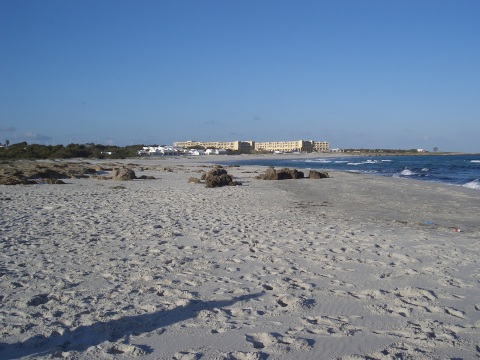
Ses belles plages, dont La Mansoura qui est considérée comme l'une des plus belles de la mer Méditerranée, en font une destination touristique prisée.
Le muscat de Kélibia, vin fruité et sec produit dans la région, est réputé à travers le pays.
PRES DES RESTAURANTS parc de jeu des cafes
el propretario signor
una bella villa 400 m della spiaggia con mobili telefono tv jiardino viccina la sala sportivacon una cucina un refrigorifero garagec e la possibilita de effetuare gite in tunisia
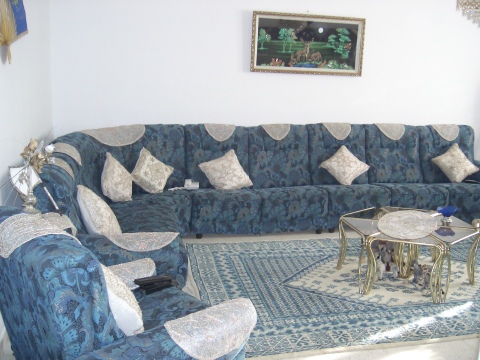
A luxury villa rental in north east Tunisia. Our Tunisian holiday villa is richly furnished and offers satellite TV, air conditioning, a garage with private parking, 1 full bathroom, 3 bedrooms, fully equipped kitchen, a lush garden, internet access and a telephone. Nearby is a restaurant with typical Tunisian food, a café, a super market and a children’s park. The villa has a lovely living room with confortable sofas from Canada and the USA or by emailVacation rental Type: VillaSleeps: 4 Bedrooms: 3 Bathrooms: 1 Garage, Covered Parking, Utensils, Refrigerator, Microwave, Full Kitchen,
eine wunderschöne Villa in der Nähe zum Meer und die meisten fabelhaften Strände von Tunesien reich möbliert mit Luft Conditionning tv drei Schlafzimmern ein Wohnzimmer ein luxuriöses Bad einen Garten und paring Möglichkeiten wir akzeptieren die Euro-Zahlung der ersten Tag Ihrer Anreisebesizer ben brahim borhen
在北东突尼 斯的别墅中突 23612;斯 A 豪华公寓出租 12290; 我们的突尼斯 24230;假别墅丰富 552;交,而提供ࡗ 5;星电视空气调 节、 一个私人停车 22330;、 1 完整浴室、 3 房,车库装备 40784;全厨房、 繁茂的花园、 Internet 访问和电话。 附近是一家餐 39302;与典型的突 612;斯食品、 一个咖啡屋、 超级的市场和 19968;个孩子 ’s 公园。 别墅有一个可 29233;的起居室先 983; confortable 沙发接触....read 更联系 OwnerFrom USD70 NT 度假租金类型 65306; 别墅休眠: 4 卧室: 3 浴室: 1 车库,覆盖停 36710;场、 厨具、 冰箱、 微波、 完整的厨房
,ו& #1497;לה IN TUNISIA השכרת וילה יוקרה A בצפון מזרח תוניסיה. וילה חג תוניסאי& #1501; שלנו עשיר מרוהט, טלוויזי& #1492; בלוויין הצעות, מיזוג אוויר, מוסך עם חניה פרטית, מקלחת צמודה מלא 1, 3 חדרי שינה, מצוידים לחלוטין מטבח גן מוריקים, גישה לאינטרנ& #1496;, טלפון. בקרבת מקום מסעדה עם אוכל תוניסאי& #1501; אופייני, בית קפה, שוק סופר הפארק של הילדים. הווילה יש סלון מקסים עם ספות confortable Contact מר על-ידי טלפון אירופה, קנדה, ארצות הברית או באמצעות דואר אלקטרונ& #1497;.. .Read USD70 OwnerFrom אנשי קשר נוספים nt השכרת חופשה סוג: וילהישן ;: חדרי שינה 4: 3 מקלחות: 1 ביתית, המכוסים חניה, כלי מטבח, מקרר, מיקרוגל, המטבח מלאה,
VILLA IN TUNISIA kelibia
A luxury villa affitto in Tunisia di nord est. Nostra villa vacanza tunisini è riccamente arredata e offerte TV satellitare, aria condizionata, un garage con parcheggio privato, 1 bagno completo, 3 camere da letto, completamente attrezzate cucina, un lussureggiante giardino, accesso internet e un telefono. Nelle vicinanze è un ristorante con piatti tipici tunisini, caffetteria, un mercato super e parco per bambini. La villa ha un bel salotto con confortevoli divani Contact dal Canada e Stati Uniti o per e-mail.. .Read altri Contact OwnerFrom USD70 nt vacanze affitto tipo: VillaDorme: 4 camere: 3 bagni: d'interesse 1 garage, parcheggio, utensili da, frigorifero, forno a microonde, cucina completa,VILLA IN
チュニジア A 高級別荘レン 12479;ル北東チュ 491;ジア。 私たちチュニ 12472;ア休日別荘 399;豪華な家具ӕ 5;、キッチン、 青々 とした庭、イ 12531;ターネット ・ アクセス、電 35441;にオファー 907;星テレビ、ӝ 6;アコン、プラ イベート駐車 22580;、1 の完全な浴室 12289;寝室、ガレ 540;ジが完全装ࠏ 3;。 近くには、典 22411;的なチュニ 472;ア料理、カӢ 1;ェ、超、市場 、子供たちで 20844;園レストラ 531;です。 別荘が confortable ソファ連絡先 12373;ん ブライムとカ 12490;ダとアメリ 459;からの からの電話、またはƂ 51;子メールで美 ;しい居間....Read 連絡先 OwnerFrom USD70 他 NT 短期レンタル Type: Villaね: 寝室: 浴室: 1 ガレージは、 23550;象駐車場、 461;ッチン用品ӌ 9;冷蔵庫、電子 レンジ、フル
VILLA IN TUNISIA A luxe villa huur in Noord-Oosten Tunesië. Onze Tunesische vakantie villa rijkelijk wordt uitgerust en aanbiedingen satelliet-TV, airconditioning, een garage met particuliere parkeer plaatsen, 1 volledige bad kamer, 3 slaap kamers, volledig toegerust keuken, een lush tuin, internet-toegang en een telefoon. Omwonenden is een restaurant met typische Tunesische voedsel, een café, een super markt en een kinder park. De villa heeft een mooie woonkamer met confortable banken contact mijnheer door telefoon uit Europa en uit Canada en de Verenigde Staten of via e-mail... vakantie verhuur type: VillaSleeps: 4 slaap kamers: 3 bad: 1 garage gedekt parkeer, Utensils, Refrigerator, magnetrons, volledig keuken キッチンは、
Wynajem villa luksusowy A TUNISIA IN VILLA w północny wschód Tunezja. Nasze villa Tunezyjscy Święto jest bogato urządzone i TELEWIZJĘ satelitarną oferty, klimatyzację, garaż z prywatny parking, 1 pełną łazienkę, 3 sypialnie, pełni wyposażone kuchni, ogród pięknej, dostęp do Internetu i telefon. W pobliżu jest restauracja z typowym Tunezyjscy żywności, kawiarnię, super rynku i park dla dzieci. The villa ma lovely pokój dzienny z komfortowej sofy kontakt Pan przez telefon z Europy i z Kanady i USA lub pocztą elektroniczną.. .Read nt więcej USD70 OwnerFrom kontakt apartamenty wynajem typ: VillaSleeps: sypialnie 4: 3 łazienki: 1 Garage zadaszone parking, Naczynia, Lodówka, Kuchenka Mikrofalowa, pełna Kuchenne,VILLA IN Tunísia o aluguer de villa de luxo de A no Norte Leste Tunísia. Nosso villa de férias tunisino ricamente está mobilado e ofertas satélite TV, ar condicionado, garagem com estacionamento privado, de 1 quarto de banho completo, de 3 quartos, totalmente equipado de cozinha, um exuberante jardim, acesso à internet e telefone. Perto é um restaurante típico alimentar tunisino, um café, um super mercado e Parque infantil. A villa tem uma sala de estar lindo com confortáveis sofás Contact pelo telefone da Europa e do Canadá e Estados Unidos ou por e-mail.. .Read nt mais contato OwnerFrom USD70 arrendamento de férias tipo: VillaSleeps: 4 quartos: 3 banho: 1 garage, coberta, estacionamento, utensílios, frigorífico, microondas, cozinha compТунис В VILLA A роскоши Вилла арендно& #1075;о в Тунисе Восток северо. Богато Меблиро& #1074;анная наших тунисск& #1080;х праздни& #1082; виллу и предлож& #1077;ния спутник& #1086;вое ТЕЛЕВИД& #1045;НИЕ, кондици& #1086;нирова 1085;ие воздуха, гараж с частные стоянки, 1 полной ванной, 3 спальни полност& #1100;ю оборудо& #1074;анной кухни, пышных сад, доступ в Интерне& #1090; и телефон& #1086;м. Недалек& #1086; являетс& #1103; рестора& #1085; с типичны& #1084; тунисск& #1080;х продово& #1083;ьствия, кафе, Супер рынка и детский парк. Вилла имеет Лавли жилой комнаты с confortable диванов контакт& #1085;ой г-н Borhen бен Брахим по телефон& #1091; из Европы и из Канады и США или по электро& #1085;ной почте.. .Read дополни& #1090;ельная контакт& #1085;ая OwnerFrom USD70 nt Vacation арендно& #1075;о Type: ВиллаЗа ;сыпает: 4 Спален: 3 ванных: 1 гаража Covered стояноч& #1085;ые, посуда, холодил& #1100;ник, СВЧ, полный кухняleta
,A 고급 빌라에 렌탈 빌라에 IN TUNISIA 있는 북쪽 동쪽 튀니지. 튀니지 공휴일 빌라에 적용하려면 가구 완비 및 제공 위성 TV, 에어컨, 개인 주차, 전체 욕실 1, 3 침실 염가 주방, 무성한 정원, 인터넷 액세스 및 전화를 완전히 설치되어 있습니다. 근처에 일반적인 튀니지 음식, 카페에, Super 시장 및 자식 ’s 공원 음식점이 것입니다. 해당 빌라에 유럽 및 미국 및 캐나다 6 전화 또는 이메일 confortable 소파에 연락처 Contact OwnerFrom USD70 기타 NT Vacation 렌탈 Type: 비야sleeps: 4 침실: 3 있다: 1 염가 파킹, Utensils, 냉장고, 마이크로파, 전체 주방 다루는VILLA en Túnez A lujo villa de alquiler en el Norte oriental
Túnez. Nuestra villa vacacional tunecino ricamente está amueblado y televisión en ofertas vía satélite, aire acondicionado, un garaje con parking privado, 1 baño completo, 3 dormitorios, completamente equipada cocina, un jardín exuberante, acceso a internet y un teléfono. Cerca se encuentra un restaurante con comida típica de Túnez, una cafetería, un mercado super y Parque de los niños. La villa tiene un bonito salón con confortables sofás por teléfono de Europa y de Canadá y Estados Unidos o por correo electrónico.. .Si desea información más contacto OwnerFrom USD70 nt alquiler vacaciones tipo: VillaCapacidad: 4 dormitorios: 3 baños: 1 garaje, cubierta estacionamiento, utensilios, nevera, microondas, cocina completa,
فيلا في تونس A الإيجار فيلا فاخرة فى شمال شرق تونس. فيلا عطلة التونسي& #1577; لنا هو مقدمة تحق وتجهيز عروض الفضائي& #1577; وتكييف الهواء ، مرآب لتصليح السيارا& #1578; مع وقوف القطاع الخاص, الحمام الكامل 1, 3 حجرات نوم تماما المطبخ حديقة مورقة الوصول إلى الإنترن& #1578; والهاتف. القريبة أحد مطاعم مع الغذاء التونسي& #1577; النموذج& #1610;ة مقهى سوق سوبر وحديقة ’s الأطفال. وقد الفيلا جميلا غرفة المعيشة مع confortable sofas إبراهيم بن sleeps: غرف نوم 4: الحمّام& #1575;ت 3: المرآب 1 التي تمت تغطيتها الانتظا& #1585;, ادوات الثلاجة مايكروي& #1601;, المطبخ الكامل
kelibia est aujourdhui la plus belle ville de la cote est de la tunisieKélibia fort (1955)
Composition de la location1 salle de bain avec 1 Lit double, 5 Canape lit, 4 Lit simple, 1 Lits superposés, 1 Lit d'appoint, 1 Lit gigogne.
Tarifs de la locationTarifs: de 450 à 450 euros/semaine
du 15/06/2010 au 31/08/2010: 450 euros/semaine
possibilité location a l annee 5000 euros tout comprisles euros les dollars acceptes
payement en euros ou en dollars
Our Tunisian holiday vacation rental villa is richly furnished offers satellite TV, air conditioning, a garage with private parking, 5 bathrooms, 5 bedrooms, fully equipped kitchen, a lush garden, internet access and a telephone. Nearby is a restaurant with typical Tunisian food, a café, a super market and a children’s park. We are located in the loveliest and most fabulous beaches of tunisia.
La commune de Kélibia est située au
. Population: (2010 est.) 10,374,000. Capital: Tunis. The population is of Arab and Amazigh ancestry. Languages: Arabic (official), French. Religion: Islam (official; predominantly Sunni). Currency: Tunisian dinar. Tunisia comprises a coastal region, mountains, an extensive hilly steppe, a marshy area with shallow salt lakes, and a tract of the Sahara. The Majardah is its longest (about 290 mi [460 km]) and only perennial river. Tunisia contains some of the largest phosphate and natural gas reserves in Africa, as well as substantial oil reserves. Major economic activities are services, agriculture, light industries, and the production and export of petroleum and phosphates. Tourism, focusing on Tunisia's beaches and Roman ruins, is also important. Tunisia is a republic with two legislative houses; its head of state is the president, and the head of government is the prime minister. From the 12th century BCE the Phoenicians had a series of trading posts on the North African coast. By the 6th century BCE the Carthaginian kingdom encompassed most of present-day Tunisia. The Romans ruled from 146 BCE. It was part of the Byzantine Empire until the Muslim Arab invasions in the mid-7th century CE. The area was fought over, won, and lost by many, including the 'Abbasid dynasty, the Almohad dynasty, Spain, and the Ottoman Empire, which conquered it in 1574 and held it until the late 19th century. For a time it maintained autonomy as the French, British, and Italians contended for the region. In 1881 it became a French protectorate. During World War II (1939 – 45) U.S. and British forces captured it (1943), putting an end to a brief German occupation. France granted it full independence in 1956; Habib Bourguiba assumed power and remained in power until he was forced from office in 1987. His successor, Zine al-Abidine Ben Ali, continued with a similar authoritarian-style rule until 2011, when he stepped down amid an unprecedented level of unrest in the country.For more information on Tunisia, visit Britannica.com.
Like its Maghrebian and Sub-Saharan counterparts, Tunisian literature in French is the result of colonization. Tunisia became an independent state in 1956. Most Tunisian writing is in Arabic but, although their overall literary production remains limited, francophone Tunisian writers of the post-Independence generation, unlike their fellow writers from Algeria and Morocco, have quickly and effectively transcended the problematics of decolonization and national identity. In the last decade, in particular, Tunisian literature in French (published for the most part in France) has become a forum for cross-cultural experiments that are more in consonance with Postmodern aesthetic conceptions and intellectual preoccupations than with the concerns of post-colonial politics.
The best exponent of this new versatility is Albert Memmi, Tunisia's leading writer. In his earlier writtings Memmi examines, in terms of Sartrean dialectics, the colonial situation and its consequences (cultural alienation, loss of identity, bilingualism, mixed marriage), especially for the educated among the colonized. The theme of colonialism is extended in the essays of the 1960s to that of dominance and oppression; in his later symbolic novels and his only book of poems, Le Mirliton du ciel (1990), Memmi explores more universal questions.
Mustapha Tlili has written fiction rooted in a multi-cultural and multiracial context. His novels explore the psychological and social after-effects of colonization on his expatriate characters and explore the dialectic of exile and creation. With his two novels, and his poem Tombeau d'Ibn Arabi, Abdelwahab Meddeb has established a secure literary reputation as a writer in the Postmodernist manner. His writing is encyclopaedic in its scope and themes. He practises collage as an expression of his many sundered sensibilities and moods, and enters into dialogue with kindred spirits, ancient and modern, from East and West. Like Meddeb, Fawzi Mellah uses intersubjectivity and intertextuality as dialogic practices in his novels.
Poetry, however, remains the dominant genre in contemporary Tunisian writing (there is little significant dramatic work). Hédi Bouraoui, an academic by training, has tried his hand at every conceivable genre: fiction, poetry, criticism, and drama, often fusing them in a fascinating and original manner. The poetry of Mohamed Aziza is a constant search for a truer and more authentic self. For Majid El-Houssi poetic language is a tool with which he subverts and manipulates his cross-cultural reality. In the promising work of Tahar Bekri (b. 1951), Poèmes bilingues (1978), Exils (1979), Le Laboureur du soleil, suivi de les Grappes de la nuit (1983), Les Lignes sont des arbres (1984), and Le Chant du roi errant (1985), poetic exploration is concomitant with the quest for identity. While the poetry of Abdelaziz Kacem (b. 1933) is serene and urbane, dwelling on symbols and myths as in Le Frontal, suivi de AL? Dresden, on efface ton nom (1983), that of Salah Garmadi (1933-82) and Moncef Ghachem (b. 1946) is dominated by anger and denunciation and is anchored in everyday reality. They write in a populist vein, debunk bourgeois social values, and promote revolution and freedom. For Amina Saïd, the best known of a number of contemporary women writers, the feminine lyrical voice is not only a catharsis but the catalyst of social, moral, and cultural emancipation.
TopTunisia (tūnē'zhə, tyū-), Fr. Tunisie, officially Republic of Tunisia, republic (2005 est. pop. 10,075,000), 63,378 sq mi (164,150 sq km), NW Africa. Occupying the eastern portion of the great bulge of North Africa, Tunisia is bounded on the west by Algeria, on the north and east by the Mediterranean Sea, and on the southeast by Libya. The capital and largest city is Tunis.Land and People
Tunisia has a highly irregular coastline that affords many bays and several fine harbors, notably Bizerte, Qabis, Safaqis, and Susah. Part of the Atlas Mts. runs through N Tunisia; but, unlike Morocco and Algeria, the mountains in Tunisia rarely exceed 4,000 ft (1,219 m) in elevation. In the south, below the Chott Djerid (a great salt lake), stretches the Sahara Desert. The population, which is largely Berber and Arab, lives mainly near the coast, in urban areas. Most Tunisians are Sunni Muslims; there is a small Jewish community dating back to ancient times, although most have emigrated to Israel or France. Tunisians of all backgrounds have migrated to France in significant numbers. Arabic is the official language, but French also is spoken.
Economy
Although the mining, energy, tourism, and manufacturing sectors of the economy are important, and the country has become increasingly middle class, over half of Tunisia's workers are engaged in farming. The agricultural sector, however, accounts for less than 15% of the GDP. The leading crops are olives, wheat, barley, tomatoes, citrus, sugar beets, dates, and almonds. Livestock raising and fishing are also important. Because irrigation is inadequate, agricultural production varies widely according to rainfall.
Petroleum was found (1964) in the Sahara not far from the Algerian border, and production began in 1966; subsequent oil discoveries have increased production significantly. Recent developments in the extraction of natural gas, centered in the Gulf of Gabes, have made the country more self-sufficient. Tunisia has large phosphate reserves and iron ore is found in quantity. Zinc, lead, and salt are also mined.
Tunisia's industries (located primarily in Tunis) produce textiles, leather, steel, and foods and beverages. Tourism is also an important economic activity. Petroleum, phosphates, chemicals, textiles and clothing, and olive oil are the country's leading exports; its imports are headed by textiles, machinery and equipment, hydrocarbons, chemicals, and food (particularly cereals). France, Italy, Germany, Spain, and Libya are the main trade partners.
Government
Tunisia is governed under the constitution of 1959 as amended. The president, who is the head of state, is popularly elected for a five-year term, with no term limits. The bicameral parliament consists of the 189-seat Chamber of Deputies, whose members are popularly elected every five years, and the 126-seat Chamber of Advisers, whose members are either appointed by the president (41) or elected by indirect vote (85) and serve six-year terms. The prime minister, who is the head of government, and cabinet are appointed by the president. Administratively, the country is divided into 24 governates.
History
Early History
The coast of Tunisia was settled in 10th cent. B.C. by Phoenicians. In the 6th cent. B.C., Carthage rose to power, but it was conquered by Rome (2d cent. B.C.), and the region became one of the granaries of Rome. It was held by Vandals (5th cent. A.D.) and Byzantines (6th cent.). In the 7th cent. it was conquered by Arabs, who founded Al Qayrawan. The region became known as Ifriqiya and the Berber population was converted to Islam. Successive Muslim dynasties ruled, interrupted by Berber rebellions. The reigns of the Aghlabids (9th cent.) and of the Zirids (from 972), Berber followers of the Fatimids, were especially prosperous. When the Zirids angered the Fatimids in Cairo (1050), the latter ravaged Tunisia.
The coasts were briefly held by the Normans of Sicily in the 12th cent. In 1159, Tunisia was conquered by the Almohad caliphs of Morocco. The Almohads were succeeded by the Berber Hafsids (c.1230-1574), under whom Tunisia prospered. In the last years of the Hafsids, Spain seized many of the coastal cities, but they were recovered for Islam by the Ottoman Turks. Under its Turkish governors, the beys, Tunisia attained virtual independence. In the late 16th cent. the coast became a pirate stronghold (see Barbary States). The Hussein dynasty of beys, established in 1705, lasted until 1957.
European Influence and Nationalist Aspirations
In the 19th cent. the heavy debts that the beys had contracted gave European powers cause for intervention. France, Great Britain, and Italy took over Tunisia's finances in 1869. A number of incidents, including attacks by Tunisians on Algeria (a French possession since 1830), led to a French invasion of Tunisia. The bey was forced to sign the treaties of Bardo (1881) and Mersa (1883), which provided for the organization of a protectorate under a French resident general. The protectorate was opposed by Italy, which had economic interests and a sizable group of nationals in Tunisia. Italy's attitude grew increasingly belligerent, and, in the years immediately preceding World War I, threats of annexation were made.
A nationalist movement developed fairly quickly in Tunisia. In 1920 the Destour (Constitutional) party was organized. In 1934 a more radical faction, led by Habib Bourguiba, formed the Neo-Destour party. In World War II, Tunisia came under Vichy rule after the fall of France (June, 1940). Major battles of the war in North Africa were fought in Tunisia (see North Africa, campaigns in). After the war nationalist agitation intensified. In 1950, France granted Tunisia a large degree of autonomy. The French population in Tunisia, however, opposed further reforms, and negotiations broke down. Bourguiba was arrested (1952), and his imprisonment precipitated a wave of violence.
Tunisia since Independence
In 1955, France granted Tunisia complete internal self-government. Full independence was negotiated in 1956, and Habib Bourguiba became prime minister. The country became a republic in 1957 when the bey, Sidi Lamine, was deposed by a vote of the constituent assembly, which then made Bourguiba president. Bourguiba followed a generally pro-Western foreign policy, but relations with France were strained over Algerian independence, which Tunisia supported, and the evacuation of French troops from Tunisia. The French naval installations at Bizerte were the scene of violent confrontation in 1961; France finally agreed to evacuate them in 1963.
Relations between Tunisia and Algeria deteriorated after the latter gained its independence from France in 1962, and border disputes between the two countries were not settled until 1970. Bourguiba's support for a negotiated settlement with Israel in the Arab-Israeli conflict caused strains in its relations with other Arab countries. Domestically, Bourguiba's policies emphasized modernization and planned economic growth. An agrarian reform plan, involving the formation of cooperatives, was begun in 1962, but it was halted in 1969 due to harsh implementation and corruption.
The 1970s saw increasing conflict within the ruling Destour party between liberals and conservatives, as well as public demonstrations against the government. However, Bourguiba's socialist government enjoyed a long period of favorable relations with France and became a moderating influence in the Arab League. In 1981, Bourguiba authorized the legal formation of opposition political parties, indicating a possible shift in the direction of democracy, and multiparty legislative elections were held for the first time in 1981. By 1986, six opposition parties had legal status. Nonetheless, the 1980s were largely characterized by popular unrest and labor difficulties, as well as a search for the aging Bourguiba's successor.
In 1987, Bourguiba was ousted by Gen. Zine El Abidine Ben Ali, ostensibly for reasons of senility. The new regime restored diplomatic relations with Libya and signed a treaty of economic cooperation with Libya, Algeria, Mauritania, and Morocco (see under Maghreb). Ben Ali initially moved toward liberal reforms, but after the 1989 elections, in which Islamic activists made a strong showing, he instituted repressive measures against them. During the 1994 election campaign, the government arrested political dissidents and barred the Islamic party Al Nahda from participating. Running uncontested and endorsed by all the legal opposition parties, Ben Ali drew nearly 100% of the vote.
In 1999, Ben Ali was again reelected with nearly 100% of the vote; he faced a token challenge from two opposition candidates. A constitutional amendment, approved in 2002 in a referendum by a similar margin, permitted the president to run for more than two terms. In 2004 and 2009 Ben Ali was reelected a lopsided share (94% and 89%) of the vote; he again faced only token opposition. The landslide victories of Ben Ali and the government party were marked by intimidation and credible accusations of vote-rigging.
In Dec., 2010, protests began against Ben Ali's government, sparked by the self-immolation of an unlicensed vendor who had his stall confiscated by police and fed by anger over high unemployment, rising prices, and government corruption. The demonstrations continued into the next month, and intensified after police killed a number of protesters. Ben Ali's rule collapsed in a matter of weeks, and he went into exile in Jan., 2011. He later was convicted in absentia of embezzlement and other charges.
An interim government was formed, with Fouad Mebazza, the parliament speaker, as president and Mohamed Ghannouchi remaining as prime minister. Though the cabinet included opposition members, the presence of former ruling party officials in the government was opposed by some, and the political environment remained unsettled. Ghannouchi resigned the following month and Beji Caid-Essebsi succeeded him. Elections for a constituent assembly (to write a new constitution) were planned for July, but subsequently they were postponed to October to allow more time for preparation.
RESIDENCE&VILLAs IN TUNISIA KELIBIA BEACH
A country of northern Africa bordering on the Mediterranean Sea. Settled in ancient times by the Phoenicians and dominated after the 6th century B.C. by the Carthaginians, the area later fell to the Romans (2nd century B.C.), Vandals (5th century A.D.), and Byzantines (6th century) before being conquered by the Arabs in the 7th century. Tunisia was taken over by the Ottoman Turks in the late 16th century and, as one of the Barbary States, was used as a base by pirates raiding ships in the Mediterranean. It became a French protectorate in 1881 and achieved full independence in 1956. Tunis is the capital and the largest city. Population: 10,300,000.
. Population: (2010 est.) 10,374,000. Capital: Tunis. The population is of Arab and Amazigh ancestry. Languages: Arabic (official), French. Religion: Islam (official; predominantly Sunni). Currency: Tunisian dinar. Tunisia comprises a coastal region, mountains, an extensive hilly steppe, a marshy area with shallow salt lakes, and a tract of the Sahara. The Majardah is its longest (about 290 mi [460 km]) and only perennial river. Tunisia contains some of the largest phosphate and natural gas reserves in Africa, as well as substantial oil reserves. Major economic activities are services, agriculture, light industries, and the production and export of petroleum and phosphates. Tourism, focusing on Tunisia's beaches and Roman ruins, is also important. Tunisia is a republic with two legislative houses; its head of state is the president, and the head of government is the prime minister. From the 12th century BCE the Phoenicians had a series of trading posts on the North African coast. By the 6th century BCE the Carthaginian kingdom encompassed most of present-day Tunisia. The Romans ruled from 146 BCE. It was part of the Byzantine Empire until the Muslim Arab invasions in the mid-7th century CE. The area was fought over, won, and lost by many, including the 'Abbasid dynasty, the Almohad dynasty, Spain, and the Ottoman Empire, which conquered it in 1574 and held it until the late 19th century. For a time it maintained autonomy as the French, British, and Italians contended for the region. In 1881 it became a French protectorate. During World War II (1939 – 45) U.S. and British forces captured it (1943), putting an end to a brief German occupation. France granted it full independence in 1956; Habib Bourguiba assumed power and remained in power until he was forced from office in 1987. His successor, Zine al-Abidine Ben Ali, continued with a similar authoritarian-style rule until 2011, when he stepped down amid an unprecedented level of unrest in the country.For more information on Tunisia, visit Britannica.com.
Like its Maghrebian and Sub-Saharan counterparts, Tunisian literature in French is the result of colonization. Tunisia became an independent state in 1956. Most Tunisian writing is in Arabic but, although their overall literary production remains limited, francophone Tunisian writers of the post-Independence generation, unlike their fellow writers from Algeria and Morocco, have quickly and effectively transcended the problematics of decolonization and national identity. In the last decade, in particular, Tunisian literature in French (published for the most part in France) has become a forum for cross-cultural experiments that are more in consonance with Postmodern aesthetic conceptions and intellectual preoccupations than with the concerns of post-colonial politics.
The best exponent of this new versatility is Albert Memmi, Tunisia's leading writer. In his earlier writtings Memmi examines, in terms of Sartrean dialectics, the colonial situation and its consequences (cultural alienation, loss of identity, bilingualism, mixed marriage), especially for the educated among the colonized. The theme of colonialism is extended in the essays of the 1960s to that of dominance and oppression; in his later symbolic novels and his only book of poems, Le Mirliton du ciel (1990), Memmi explores more universal questions.
Mustapha Tlili has written fiction rooted in a multi-cultural and multiracial context. His novels explore the psychological and social after-effects of colonization on his expatriate characters and explore the dialectic of exile and creation. With his two novels, and his poem Tombeau d'Ibn Arabi, Abdelwahab Meddeb has established a secure literary reputation as a writer in the Postmodernist manner. His writing is encyclopaedic in its scope and themes. He practises collage as an expression of his many sundered sensibilities and moods, and enters into dialogue with kindred spirits, ancient and modern, from East and West. Like Meddeb, Fawzi Mellah uses intersubjectivity and intertextuality as dialogic practices in his novels.
Poetry, however, remains the dominant genre in contemporary Tunisian writing (there is little significant dramatic work). Hédi Bouraoui, an academic by training, has tried his hand at every conceivable genre: fiction, poetry, criticism, and drama, often fusing them in a fascinating and original manner. The poetry of Mohamed Aziza is a constant search for a truer and more authentic self. For Majid El-Houssi poetic language is a tool with which he subverts and manipulates his cross-cultural reality. In the promising work of Tahar Bekri (b. 1951), Poèmes bilingues (1978), Exils (1979), Le Laboureur du soleil, suivi de les Grappes de la nuit (1983), Les Lignes sont des arbres (1984), and Le Chant du roi errant (1985), poetic exploration is concomitant with the quest for identity. While the poetry of Abdelaziz Kacem (b. 1933) is serene and urbane, dwelling on symbols and myths as in Le Frontal, suivi de AL? Dresden, on efface ton nom (1983), that of Salah Garmadi (1933-82) and Moncef Ghachem (b. 1946) is dominated by anger and denunciation and is anchored in everyday reality. They write in a populist vein, debunk bourgeois social values, and promote revolution and freedom. For Amina Saïd, the best known of a number of contemporary women writers, the feminine lyrical voice is not only a catharsis but the catalyst of social, moral, and cultural emancipation.
TopTunisia (tūnē'zhə, tyū-), Fr. Tunisie, officially Republic of Tunisia, republic (2005 est. pop. 10,075,000), 63,378 sq mi (164,150 sq km), NW Africa. Occupying the eastern portion of the great bulge of North Africa, Tunisia is bounded on the west by Algeria, on the north and east by the Mediterranean Sea, and on the southeast by Libya. The capital and largest city is Tunis.Land and People
Tunisia has a highly irregular coastline that affords many bays and several fine harbors, notably Bizerte, Qabis, Safaqis, and Susah. Part of the Atlas Mts. runs through N Tunisia; but, unlike Morocco and Algeria, the mountains in Tunisia rarely exceed 4,000 ft (1,219 m) in elevation. In the south, below the Chott Djerid (a great salt lake), stretches the Sahara Desert. The population, which is largely Berber and Arab, lives mainly near the coast, in urban areas. Most Tunisians are Sunni Muslims; there is a small Jewish community dating back to ancient times, although most have emigrated to Israel or France. Tunisians of all backgrounds have migrated to France in significant numbers. Arabic is the official language, but French also is spoken.
Economy
Although the mining, energy, tourism, and manufacturing sectors of the economy are important, and the country has become increasingly middle class, over half of Tunisia's workers are engaged in farming. The agricultural sector, however, accounts for less than 15% of the GDP. The leading crops are olives, wheat, barley, tomatoes, citrus, sugar beets, dates, and almonds. Livestock raising and fishing are also important. Because irrigation is inadequate, agricultural production varies widely according to rainfall.
Petroleum was found (1964) in the Sahara not far from the Algerian border, and production began in 1966; subsequent oil discoveries have increased production significantly. Recent developments in the extraction of natural gas, centered in the Gulf of Gabes, have made the country more self-sufficient. Tunisia has large phosphate reserves and iron ore is found in quantity. Zinc, lead, and salt are also mined.
Tunisia's industries (located primarily in Tunis) produce textiles, leather, steel, and foods and beverages. Tourism is also an important economic activity. Petroleum, phosphates, chemicals, textiles and clothing, and olive oil are the country's leading exports; its imports are headed by textiles, machinery and equipment, hydrocarbons, chemicals, and food (particularly cereals). France, Italy, Germany, Spain, and Libya are the main trade partners.
Government
Tunisia is governed under the constitution of 1959 as amended. The president, who is the head of state, is popularly elected for a five-year term, with no term limits. The bicameral parliament consists of the 189-seat Chamber of Deputies, whose members are popularly elected every five years, and the 126-seat Chamber of Advisers, whose members are either appointed by the president (41) or elected by indirect vote (85) and serve six-year terms. The prime minister, who is the head of government, and cabinet are appointed by the president. Administratively, the country is divided into 24 governates.
History
Early History
The coast of Tunisia was settled in 10th cent. B.C. by Phoenicians. In the 6th cent. B.C., Carthage rose to power, but it was conquered by Rome (2d cent. B.C.), and the region became one of the granaries of Rome. It was held by Vandals (5th cent. A.D.) and Byzantines (6th cent.). In the 7th cent. it was conquered by Arabs, who founded Al Qayrawan. The region became known as Ifriqiya and the Berber population was converted to Islam. Successive Muslim dynasties ruled, interrupted by Berber rebellions. The reigns of the Aghlabids (9th cent.) and of the Zirids (from 972), Berber followers of the Fatimids, were especially prosperous. When the Zirids angered the Fatimids in Cairo (1050), the latter ravaged Tunisia.
The coasts were briefly held by the Normans of Sicily in the 12th cent. In 1159, Tunisia was conquered by the Almohad caliphs of Morocco. The Almohads were succeeded by the Berber Hafsids (c.1230-1574), under whom Tunisia prospered. In the last years of the Hafsids, Spain seized many of the coastal cities, but they were recovered for Islam by the Ottoman Turks. Under its Turkish governors, the beys, Tunisia attained virtual independence. In the late 16th cent. the coast became a pirate stronghold (see Barbary States). The Hussein dynasty of beys, established in 1705, lasted until 1957.
European Influence and Nationalist Aspirations
In the 19th cent. the heavy debts that the beys had contracted gave European powers cause for intervention. France, Great Britain, and Italy took over Tunisia's finances in 1869. A number of incidents, including attacks by Tunisians on Algeria (a French possession since 1830), led to a French invasion of Tunisia. The bey was forced to sign the treaties of Bardo (1881) and Mersa (1883), which provided for the organization of a protectorate under a French resident general. The protectorate was opposed by Italy, which had economic interests and a sizable group of nationals in Tunisia. Italy's attitude grew increasingly belligerent, and, in the years immediately preceding World War I, threats of annexation were made.
A nationalist movement developed fairly quickly in Tunisia. In 1920 the Destour (Constitutional) party was organized. In 1934 a more radical faction, led by Habib Bourguiba, formed the Neo-Destour party. In World War II, Tunisia came under Vichy rule after the fall of France (June, 1940). Major battles of the war in North Africa were fought in Tunisia (see North Africa, campaigns in). After the war nationalist agitation intensified. In 1950, France granted Tunisia a large degree of autonomy. The French population in Tunisia, however, opposed further reforms, and negotiations broke down. Bourguiba was arrested (1952), and his imprisonment precipitated a wave of violence.
Tunisia since Independence
In 1955, France granted Tunisia complete internal self-government. Full independence was negotiated in 1956, and Habib Bourguiba became prime minister. The country became a republic in 1957 when the bey, Sidi Lamine, was deposed by a vote of the constituent assembly, which then made Bourguiba president. Bourguiba followed a generally pro-Western foreign policy, but relations with France were strained over Algerian independence, which Tunisia supported, and the evacuation of French troops from Tunisia. The French naval installations at Bizerte were the scene of violent confrontation in 1961; France finally agreed to evacuate them in 1963.
Relations between Tunisia and Algeria deteriorated after the latter gained its independence from France in 1962, and border disputes between the two countries were not settled until 1970. Bourguiba's support for a negotiated settlement with Israel in the Arab-Israeli conflict caused strains in its relations with other Arab countries. Domestically, Bourguiba's policies emphasized modernization and planned economic growth. An agrarian reform plan, involving the formation of cooperatives, was begun in 1962, but it was halted in 1969 due to harsh implementation and corruption.
The 1970s saw increasing conflict within the ruling Destour party between liberals and conservatives, as well as public demonstrations against the government. However, Bourguiba's socialist government enjoyed a long period of favorable relations with France and became a moderating influence in the Arab League. In 1981, Bourguiba authorized the legal formation of opposition political parties, indicating a possible shift in the direction of democracy, and multiparty legislative elections were held for the first time in 1981. By 1986, six opposition parties had legal status. Nonetheless, the 1980s were largely characterized by popular unrest and labor difficulties, as well as a search for the aging Bourguiba's successor.
In 1987, Bourguiba was ousted by Gen. Zine El Abidine Ben Ali, ostensibly for reasons of senility. The new regime restored diplomatic relations with Libya and signed a treaty of economic cooperation with Libya, Algeria, Mauritania, and Morocco (see under Maghreb). Ben Ali initially moved toward liberal reforms, but after the 1989 elections, in which Islamic activists made a strong showing, he instituted repressive measures against them. During the 1994 election campaign, the government arrested political dissidents and barred the Islamic party Al Nahda from participating. Running uncontested and endorsed by all the legal opposition parties, Ben Ali drew nearly 100% of the vote.
In 1999, Ben Ali was again reelected with nearly 100% of the vote; he faced a token challenge from two opposition candidates. A constitutional amendment, approved in 2002 in a referendum by a similar margin, permitted the president to run for more than two terms. In 2004 and 2009 Ben Ali was reelected a lopsided share (94% and 89%) of the vote; he again faced only token opposition. The landslide victories of Ben Ali and the government party were marked by intimidation and credible accusations of vote-rigging.
In Dec., 2010, protests began against Ben Ali's government, sparked by the self-immolation of an unlicensed vendor who had his stall confiscated by police and fed by anger over high unemployment, rising prices, and government corruption. The demonstrations continued into the next month, and intensified after police killed a number of protesters. Ben Ali's rule collapsed in a matter of weeks, and he went into exile in Jan., 2011. He later was convicted in absentia of embezzlement and other charges.
An interim government was formed, with Fouad Mebazza, the parliament speaker, as president and Mohamed Ghannouchi remaining as prime minister. Though the cabinet included opposition members, the presence of former ruling party officials in the government was opposed by some, and the political environment remained unsettled. Ghannouchi resigned the following month and Beji Caid-Essebsi succeeded him. Elections for a constituent assembly (to write a new constitution) were planned for July, but subsequently they were postponed to October to allow more time for preparation.
comments of guests who stayed in villa in tunisia kelibiawe spent very joyful time in this villa and the owners were very kind we discovred this small town of kelibia with its marvellous landscape and fabulous beachescomentaire d un locataire
Nous avons passé de merveilleuses vacances dans cette maison très confortable à Kelibia. Les proprietaires et leurs enfants nous ont accueilli très chaleureusement et nous ont fait decouvrir Kelibia :une ville autenthique avec ses marchés colorés, ses plages magnifiques de sable blanc, et l'eau transparente nous ésperons pouvoir y revenir bientôt Kelibia est aujourd’hui la plus jolie et la plus importante ville de la côte est de la Tunisie. Elle annonce la partie sauvage d’un itinéraire touristique, vers la pointe du CapBon maniant à la fois des paysages de lande bretonne et de joncs, une côte superbe et une atmosphère à la fois chaleureuse et traditionnelle des villages de pêcheurs, comparable à celle de la côte ouest du Portugal. Résumant une précieuse diversité, Kelibia la blanche est parfois animée jusqu’à être grouillante, paisible et secrète ailleurs, industrieuse et rustique souvent, et toujours profondément maritime.
Kélibia se trouve à la pointe du Cap Bon au nord est de la Tunisie. Bien que peu fréquentée des touristes, sa plage est reconnue comme la plus belle de toute la Tunisie: un sable très fin et une eau d’une limpidité déconcertante… A éviter tout de même le week-end où il y a un peu trop de monde… peut-être même beaucoup trop!comments of guests who stayed in villa in tunisia kelibiawe spent very joyful time in this villa and the owners were very kind En arrivant à Kélibia, on aperçoit sa forteresse perchée au sommet d’une colline au bord de la mer. Le spectacle est déjà impressionnant. La ville est calme et simple. Tout tourne autour du fameux port de pêche où on va chercher des beignets chauds à 6h du matin pour voir le soleil se décoller lentement de la mer, les pêcheurs rentrer pour vendre leur poisson et recoudre leurs filets. A Kélibia, on a naturellement envie de se dépenser… Le petit jogging ou la marche à pied jusqu’au port au petit matin, le match de volley les pieds dans l’eau, les parties de beach-ball, la petite séance de pêche à la ligne, le bain de mer rafraîchissant ou encore quelques petites heures de randonnée sous-marine pour découvrir la richesse écologique de la région, vous occuperont toute la journée. Parfois même, on a du mal à rentrer de la plage avant 8h du soir. Juste le temps d’apprécier le poisson acheté tôt le matin, bien épicé et grillé au barbecue. Pour meubler la soirée, le café du Fort avec sa vue magnifique sur la plage et son décor original (on peut siroter son thé à la menthe et aux pignons assis sur une peau de mouton ) va simplement vous ravir… Sinon une soirée au café maure sur la plage des belges au clair de lune… Pensez à un feu de bois, à un bain de minuit ou à vous offrir un dîner romantique avec l’eau à vos pieds au restaurant El Mansoura, Kélibia ne vaut nul autre endroit…Situation géographique
Kélibia est située au Nord-Est de la Tunisie et à la pointe de la presqu’île du Cap Bon
Le périmètre communal s’étend sur 1100 hectares environ à 2 km en retrait des côtes Est et Sud. une colline rocheuse haute de 78 m et coiffée d’un Fort – Le Borj – témoigne du passage des différentes civilisations qu’a connues la ville depuis les phéniciens.
Le port de Kélibia, un peu plus au nord, occupe une position stratégique et se pose comme un point de liaison entre l’Afrique et l’Europe, il est situé à 70 km de Pantelleria (Italie), à 140 km de la Sicile et à 260 km de la Sardaigne et de Malte.Par rapport à la capitale, Tunis, la ville de Kélibia se trouve à 103 km (via Korba) et à 95 km (via Oum Dhouil).[Carte de la Tunisie]L’histoire de la ville
Kelibia garde peu de traces de son passé antique, puisque la ville fut entièrement rasée après la troisième guerre punique. Seules subsistent une nécropole punique, un peu à l’écart de la ville, à El-Mansoura, et des restes de maisons romaines, à côté de l’Ecole technique de pêche. Cette dernière confirme Kelibia dans sa vocation portuaire. Kelibia est surtout connue pour sa forteresse byzantine, construite au VIe siècle. Située en haut d’une falaise de 150 mètres, elle assurait la défense du port et, plus généralement, du détroit de Sicile. Mise à mal par les Espagnols au XVIe siècle, elle fut reconstruite à la même époque. Aujourd’hui, bien conservée, elle attire principalement les visiteurs pour la superbe vue qu’elle offre du haut de ses remparts.
Sous le nom de « Clupea », elle comptait parmi les villes les plus importantes qui jalonnaient l’arc oriental de la presqu’île du Cap Bon à coté des villes d’ Aquilaria (Haouaria), Curubis (Korba) et Neapolis (Nabeul). Kélibia n’occupait pas le même emplacement que de nos jours, elle se situait à l’extrême pointe de la côte; sous les Aghlabides (9ème siècle), on la décrivait s’enroulant en croissant au pied nord-ouest de la colline du Borj qui la protégeait du côté de la mer, tandis qu’une muraille l’enveloppait du côté de la terre.
Ce n’est qu’au 11ème siècle qu’elle s’implante à sa place actuelle où elle se sent en sécurité, s’entourant d’une muraille (détruite au 16ème siècle par les espagnols) qu’ouvrent deux portes l’une au nord, l’autre au sud. Ces civilisations ont également transmis des traditions agricoles, urbaines et maritimes, encore fortement ancrées.
VILLA EN TUNISIE KELIBIAlocation vacances située à Kelibia - Tunisie - Afrique
5 pièces - 4/6 personnes3 chambres - 1 salle de bainSurface habitable 350 m² - Jardin: 20 m²
CITE RIADH RUE GAZA 23 KELIBIATUNISIALangues parlées : [Français] [English] [Italiano] [Español] [Deutsch]
Villa de 350 m² à Kelibia (Tunisie), Quartier Residentiel
Villa de 350 m² pour des vacances à la mer
Quartier Residentiel, Kelibia, Tunisie
Jusqu'à 4 personnes :
climatiseurparking pvjardinparassole jardin
3 chambres 2 lits doubles 2 lits simples 3 canapés-lits 1 salle de bain 1 WC
une villa tres luxueuse pres des plus belles plages de la tunisiekelibia beachblue flag
Aménagements de la location
Cuisine indépendante Séjour Salon Terrasse Jardin Garage Environnement de la location
Bord de mer (< 1 km) Éléments pratiques
Proche commerce Proche centre ville Non fumeur Véhicule conseillé Équipements disponibles
Vaisselle Ustensiles Réfrigérateur Congélateur Four Micro-Onde Lave linge Fer à repasser Climatisation Aspirateur Téléviseur Magnétoscope Lecteur DVD Cable Satellite Téléphone Accès Internet Salon de jardin Activités disponibles aux alentours
Randonnées Tennis Baignade Pêche Thermalisme Cinéma Discothèque Parc de loisir Voile Plongée Pistes cyclables Tarifs et disponibilités
Les tarifs sont fournis à la semaine.
Disponible en Basse Saison : 350 €
Disponible en Moyenne Saison : 400 €
Disponible en Haute Saison : 420 €
Disponible en Très Haute Saison : 450 €
La commune de Kélibia est située au Nord-Est de la Tunisie et à la pointe de la presqu'île du Cap Bon. Elle est créée par le décret du 13 décembre 1957, Le périmètre communal s'étend sur 1026 hectares environ à 2 km en retrait des côtes Est et Sud, pour une population de 33 000 habitants.
Le port de Kélibia, occupe une position stratégique et se pose comme un point de liaison entre l'Afrique et l'Europe, il est situé à 70 km de Pantelleria (Italie), à 140 km de la Sicile et à 260 km de la Sardaigne et de Malte.Par rapport à la capitale, Tunis, la ville de Kélibia se trouve à 103 km (via Korba) et à 95 km (via Oum Dhouil) et par rapport à Nabeul elle est à 56 km.Kelibia est célèbre plutôt par son bon muscat sec apprécié par les connaisseurs.Son port de pêche le quatrième de Tunisie est spécialisé dans la pêche de lamparo ( pêche à la lampe). Grâce à la lumière des phares fixés aux barques, les pêcheurs attirent les bancs de poissons bleus : sardinelles, sardine, anchois, maquereaux, etc.
La Clupea romaine avait en effet été bâtie sur la cité punique. On doit sa création au tyran de Syracuse, Agathocle, qui fonde la cité d'Aspis lors de son débarquement en Afrique. La cité punique est prise en 256 par Régulus, puis détruite par Scipion l'Africain. De 1535 à 1547, elle est saccagée trois fois par les Espagnols.De ces attaques à répétition ne subsistent que quelques rares monuments qui témoignent de la richesse du passé de Kélibia. Le monument le mieux préservé jusqu'à nos jours est sans doute :
La forteresseConstruite à la fin du sixième siècle par les Byzantins sur un promontoire rocheux (150 m de hauteur), remaniée et restaurée tour à tour par les espagnols et les turcs.Sur son éperon rocheux, elle domine le village du haut de ses remparts ocres.On peut jouir d'une très belle vue panoramique sur la ville, le petit port, les plages de sable fin et jusqu'aux côtes de Sicile.Des vestiges puniques et romains ont été trouvés sous le fort, elle abrite un phare et une station météorologique.Profiter pour aller siroter un petit thé à la menthe, au café du Fort … un pur instant de détente.
KELIBIA ( Café du Borj ) part 1envoyé par weldbardo
KELIBIA ( Café du Borj ) part 2envoyé par weldbardo
Le châteauLe château byzantin (Ve siècle) voisine avec les villas romaines.
loin du port, on a dégagé les restes d'un grand temple et, un peu plus loin, des maisons avec un remarquable ensemble de mosaïque. Une villa romaine datant du Ivème s. apr. J.-C. se distingue par ses scènes de chasse (au lévrier, à la glu, au faucon et au sanglier), ce qui est rare, ainsi que par ses toilettes, reliés directement au collecteur principale de la rue.
Très fréquentée en été par les vacanciers tunisiens qui y possèdent de belles maisons en bord de plage Kélibia se découvre avec délice au printemps ou en automne.Tous les deux ans, la ville de kélibia est envahit de cinéphiles pour apprécier les œuvres des cinéastes et acteurs au cours du festival du film amateur qui se tient en été.
Environs de KélibiaLa plage de El Mansourah située à 3.5 km de Kélibia est réputée par la limpidité de ses eaux et la finesse de son sable blanc attire un grand nombre de visiteurs pour se baigner et y passer la journée. Juste à côté un magnifique restaurantsurplombe le site, pieds dans l'eau! Restaurant tenu par un équipe jeune et dynamique. Une adresse à retenir ! ouvert toute l'année.
La plage de Hammam Ghezaz : tout simplement idyllique, superbe plage de sable fin.Sur place la buvette Miami Beach vous accueille pour passer un agréable moment, contacter
MISE À JOUR D'UN MONUMENT SACRÉ DU JUDAÏSME À KELIBIA/TUNISIETUNIS, 19 juil 2007 (AFP) - Une mosaïque évoquant un lieu sacré du judaïsme remontant à la fin de l’antiquité, a été mise au jour à Kélibia, ville de Tunisie, a-t-on appris jeudi à l’Institut national du Patrimoine (INP). Ces vestiges, sans doute une synagogue antique, “en tout cas un lieu sacré”, ont été découverts lors de travaux de voirie menés au pied de la forteresse surplombant le port de Kélibia, à 110 km au sud de Tunis, sur le littoral nord-est de la Méditerranée. Cette découverte a été présentée par l’archéologue Mounir Fantar lors d’une journée scientifique à l’INP, qui en a fait état dans son dernier bulletin interne. Il s’agirait d’une première, les vestiges constituant la première preuve d’une présence antique du judaïsme dans cette région du Cap Bon. La représentation de chandeliers à sept branches, symboles du judaïsme, ne laisse aucun doute sur la présence d’un lieu sacré juif. Le monument, daté a priori du 5e siècle avant JC, est constitué d’une mosaïque “en parfaite conservation” et dont les motifs dessinent douze chandeliers à sept branches. Cette oeuvre célèbre l’accomplissement du voeu d’un mécène du nom d’Ivdantis (Judas). Dès sa découverte, un périmètre de sécurité a été installé autour du site en attendant des fouilles dirigées par Mounir Fantar, responsable des monuments de la province de Nabeul. L’histoire de Kélibia (Clupea) remonte à l’époque punique comme en témoigne la découverte d’une nécropole et de vestiges du 5e au 2e siècle avant JC. Cette ville est dominée par une forteresse byzantine (6e siècle) perchée au-dessous d’une falaise de 150 mètres, qui assurait la défense du port. Le sud de la Tunisie abrite la plus ancienne synagogue d’Afrique, “La Ghriba”, située sur l’île de Djerba et qui accueille chaque année des milliers de pèlerins juifs d’Europe et d’Israël. Ces derniers sont originaires de Tunisie pour la plupart. La communauté juive, forte de cent mille personnes il y a cinquante ans, se limite actuellement à un millier de personnes, la plupart ayant quitté le pays pour s’établir surtout en France et en Israël.
Les Saints de KélibiaOn trouve à Kélibia les Saints suivants : Sidi Abdeslem , Sidi Abdelkader , Sidi Ben Issa , Sidi Mustapha Lamine ,Sidi Mustapha el Bahri , Sidi Ali El M'Kaddem , Sidi Ahmed.Le plus important du Cap Bon est Sidi Miaouia dans la banlieue de Kélibia. [H. Bouzakoura]
FestivalsLe festival international du film amateur de Kélibia (FIFAK)Le festival est une manifestation culturelle organisée par la Fédération tunisienne des cinéastes amateurs avec la collaboration du ministère de la culture et de la municipalité de la ville de Kélibia.Cette manifestation a vu le jour en 1965 et elle est organisée tous les deux ans sans interruption.Kélibia peut se targuer , et à juste titre , d'être la capitale du film amateur ou non professionnel de tous les pays du sud. Rares sont les festivals de films non professionnel dans le monde qui aient pu assurer une pareille régularité ,une persévérance aussi déterminée , et une aussi belle atmosphère où les amateurs font leur propre festival.Options et buts- favoriser la promotion et la diffusion des œuvres du cinéma non professionnel.- permettre aux cinéastes non professionnels de confronter leurs expériences notamment par les débats consacrés aux films participants.- faciliter les contacts entre les diverses cultures nationales.
Le festival national du film amateurC'est une manifestation culturelle organisée en relais avec le festival international du film amateur de Kélibia et elle est organisée par la Fédération tunisienne des cinéastes amateurs avec la collaboration du Ministère de la culture et de la municipalité de la ville de Kélibia.Cette manifestation s'est ajoutée aux acquis culturels de notre ville depuis l'année 2000.Elle a pour but de permettre aux cinéastes non professionnels tunisiens et aux différents clubs sous l'égide de la Fédération tunisienne des cinéastes amateurs de bien préparer le festival international du film amateur.
Colloque national des jeunes littérairesCette manifestation culturelle a été instaurée par le comité culturel local et la maison de la culture en 1987 et a pour but de couver les jeunes talents en littérature (poètes ,romanciers , critiques littéraires etc.….). Ce colloque organise aussi des débats animés par des maîtres chevronnés en littérature.
Les journées Hédi Takouli de la chanson populaire du terroirEn 1999, à la mort de cet artiste authentique, le comité culturel de la ville de Kélibia a décidé d'organiser les dites journées pour honorer la mémoire de Hédi Takouli, chanteur populaire autodidacte qui s'est distingué en tant que chanteur et compositeur, pendant des décennies ce qui a fait de lui un chanteur du genre léguant à sa mort un patrimoine d'une valeur inestimable pour la ville de Kélibia.
Les Journées des Arts PlastiquesUn grand nombre d'artistes plasticiens de renommée nationale et internationale sont natifs de la ville de Kélibia. De ce fait, la ville accueille annuellement plusieurs expositions et manifestations relatives à l'art plastique.
Villes amiesKélibia a été jumelée avec la ville d'EL Municar (Espagne) en 1986, avec l'île de Pantalleria (Italie) en 1993 et avec la ville de Marsala (Italie) en 2003La ville d'EL Municar Elle compte environ 70 000 habitants. Elle est située sur la Costa del Sol, au bord de la Méditerranée (à 86 km de Malaga et à 80 km de Grenade ), elle est enserrée entre la montagne et la mer. La ville bénéficie d'un climat agréable et profite également de la douceur du bord de mer. En 755 après J.C elle est conquise par Abderrahmen 1er, alors la ville prospère davantage et devient un des points stratégiques de la Méditerranée, elle se dote d'un port important. L'histoire musulmane de la ville se termine en 1489, mais cette dernière a su préserver son charme et ses traditions andalouses. Son économie est basée sur la pêche et particulièrement sur le tourisme.L'île de Pantalleria Elle est à 70 km de Kélibia et à 110 km de Trapani (Sicile). Elle a 13,5 km de longueur et 8 km de largeur et une superficie de 83 km² et un périmètre de 51,5 km. Elle compte environ 8000 habitants en hiver. Elle est une île volcanique avec des plages rocheuses. Son économie se base sur la culture des câpres et des vignes (raisins et muscat) et essentiellement sur le tourisme de haute gamme. Les Arabes occupèrent l'île en 835. Sous l'occupation Arabe l'économie se redressa surtout grâce à l'essor de l'agriculture qui transforma ainsi Pantelleria, île consacrée à l'industrie et au commerce ; en une ville essentiellement agricole. Beaucoup de traces et de noms de lieux subsistent encore et témoignent du passage de la civilisation arabo-musulmane. Les Arabes quittèrent l'île en 1123Marsala, malgré son histoire, ses traditions et sa culture, c'est une ville que l'on connaît surtout pour le vin qui porte son nom,découvert par les Anglais il y a deux siècles - ou pour le débarquement de Garibaldi et des Mille qui a précédé l'unification de l'Italie. Elle a le drapeau bleu d'Europe pour la propreté de son littoral et la qualité des services sur les plages. On peut découvrir les paysages évocateurs des marais salants et de la lagune de Stagnone,le charme ancien des caves,l'art des tonneliers et des céramistes, les plats typiques de la cuisine locale,les gâteaux des maîtres pâtissiers... La vieille ville porte les traces de plusieurs dominations et les petites agglomérations situées à proximité. Le littoral avec plus de dix kilomètres de côtes et emprunter les itinéraires de la Route du vin qui vous conduiront vers l'arrière-pays
Evénements à Kélibia• Mois du patrimoine à KélibiaDans le cadre des préparatifs de la 17e session du Mois du patrimoine, l'Association de sauvegarde de la médina de Kélibia organise plusieurs manifestations dont notamment une visite guidée, dimanche 27 avril 2008, d'El Borj suivie d'un colloque animé par le Pr Mounir Fantar, une exposition de photos d'archives et des outils traditionnels les 17 et 18 mai à la maison des jeunes et une préparation et dégustation d'un repas traditionnel à base de sorgho (droô) le 18 mai 2008 à la maison de la culture
KELIBIA
une villa tres luxueusePRES DE LA MER ET DES PLUS BELLES PLAGES DE LA TUNISIEkelibia beachtres richement meublee a la ville de kelibia dans un quartier residentiel calme tv accee internet wifi clim jardinsurface 350 m2
Kélibia (قليبية) est une ville côtière du nord-est de la Tunisie. Située à la pointe de la péninsule du cap Bon, à 95 kilomètres de Tunis via Menzel Bouzelfa, elle est la troisième ville du gouvernorat de Nabeul après Nabeul et Hammamet.
Elle est le chef-lieu d'une délégation et d'une municipalité comptant 43 209 habitants en 2004[1]. Elle est par ailleurs le premier port de pêche de Tunisie avec une production de 15 000 tonnes de divers produits de la mer par an.
Ses belles plages, dont La Mansoura qui est considérée comme l'une des plus belles de la mer Méditerranée, en font une destination touristique prisée.
Le muscat de Kélibia, vin fruité et sec produit dans la région, est réputé à travers le pays.
PRES DES RESTAURANTS parc de jeu des cafes
el propretario signor
una bella villa 400 m della spiaggia con mobili telefono tv jiardino viccina la sala sportivacon una cucina un refrigorifero garagec e la possibilita de effetuare gite in tunisia
A luxury villa rental in north east Tunisia. Our Tunisian holiday villa is richly furnished and offers satellite TV, air conditioning, a garage with private parking, 1 full bathroom, 3 bedrooms, fully equipped kitchen, a lush garden, internet access and a telephone. Nearby is a restaurant with typical Tunisian food, a café, a super market and a children’s park. The villa has a lovely living room with confortable sofas from Canada and the USA or by emailVacation rental Type: VillaSleeps: 4 Bedrooms: 3 Bathrooms: 1 Garage, Covered Parking, Utensils, Refrigerator, Microwave, Full Kitchen,
eine wunderschöne Villa in der Nähe zum Meer und die meisten fabelhaften Strände von Tunesien reich möbliert mit Luft Conditionning tv drei Schlafzimmern ein Wohnzimmer ein luxuriöses Bad einen Garten und paring Möglichkeiten wir akzeptieren die Euro-Zahlung der ersten Tag Ihrer Anreisebesizer ben brahim borhen
在北东突尼 斯的别墅中突 23612;斯 A 豪华公寓出租 12290; 我们的突尼斯 24230;假别墅丰富 552;交,而提供ࡗ 5;星电视空气调 节、 一个私人停车 22330;、 1 完整浴室、 3 房,车库装备 40784;全厨房、 繁茂的花园、 Internet 访问和电话。 附近是一家餐 39302;与典型的突 612;斯食品、 一个咖啡屋、 超级的市场和 19968;个孩子 ’s 公园。 别墅有一个可 29233;的起居室先 983; confortable 沙发接触....read 更联系 OwnerFrom USD70 NT 度假租金类型 65306; 别墅休眠: 4 卧室: 3 浴室: 1 车库,覆盖停 36710;场、 厨具、 冰箱、 微波、 完整的厨房
,ו& #1497;לה IN TUNISIA השכרת וילה יוקרה A בצפון מזרח תוניסיה. וילה חג תוניסאי& #1501; שלנו עשיר מרוהט, טלוויזי& #1492; בלוויין הצעות, מיזוג אוויר, מוסך עם חניה פרטית, מקלחת צמודה מלא 1, 3 חדרי שינה, מצוידים לחלוטין מטבח גן מוריקים, גישה לאינטרנ& #1496;, טלפון. בקרבת מקום מסעדה עם אוכל תוניסאי& #1501; אופייני, בית קפה, שוק סופר הפארק של הילדים. הווילה יש סלון מקסים עם ספות confortable Contact מר על-ידי טלפון אירופה, קנדה, ארצות הברית או באמצעות דואר אלקטרונ& #1497;.. .Read USD70 OwnerFrom אנשי קשר נוספים nt השכרת חופשה סוג: וילהישן ;: חדרי שינה 4: 3 מקלחות: 1 ביתית, המכוסים חניה, כלי מטבח, מקרר, מיקרוגל, המטבח מלאה,
VILLA IN TUNISIA kelibia
A luxury villa affitto in Tunisia di nord est. Nostra villa vacanza tunisini è riccamente arredata e offerte TV satellitare, aria condizionata, un garage con parcheggio privato, 1 bagno completo, 3 camere da letto, completamente attrezzate cucina, un lussureggiante giardino, accesso internet e un telefono. Nelle vicinanze è un ristorante con piatti tipici tunisini, caffetteria, un mercato super e parco per bambini. La villa ha un bel salotto con confortevoli divani Contact dal Canada e Stati Uniti o per e-mail.. .Read altri Contact OwnerFrom USD70 nt vacanze affitto tipo: VillaDorme: 4 camere: 3 bagni: d'interesse 1 garage, parcheggio, utensili da, frigorifero, forno a microonde, cucina completa,VILLA IN
チュニジア A 高級別荘レン 12479;ル北東チュ 491;ジア。 私たちチュニ 12472;ア休日別荘 399;豪華な家具ӕ 5;、キッチン、 青々 とした庭、イ 12531;ターネット ・ アクセス、電 35441;にオファー 907;星テレビ、ӝ 6;アコン、プラ イベート駐車 22580;、1 の完全な浴室 12289;寝室、ガレ 540;ジが完全装ࠏ 3;。 近くには、典 22411;的なチュニ 472;ア料理、カӢ 1;ェ、超、市場 、子供たちで 20844;園レストラ 531;です。 別荘が confortable ソファ連絡先 12373;ん ブライムとカ 12490;ダとアメリ 459;からの からの電話、またはƂ 51;子メールで美 ;しい居間....Read 連絡先 OwnerFrom USD70 他 NT 短期レンタル Type: Villaね: 寝室: 浴室: 1 ガレージは、 23550;象駐車場、 461;ッチン用品ӌ 9;冷蔵庫、電子 レンジ、フル
VILLA IN TUNISIA A luxe villa huur in Noord-Oosten Tunesië. Onze Tunesische vakantie villa rijkelijk wordt uitgerust en aanbiedingen satelliet-TV, airconditioning, een garage met particuliere parkeer plaatsen, 1 volledige bad kamer, 3 slaap kamers, volledig toegerust keuken, een lush tuin, internet-toegang en een telefoon. Omwonenden is een restaurant met typische Tunesische voedsel, een café, een super markt en een kinder park. De villa heeft een mooie woonkamer met confortable banken contact mijnheer door telefoon uit Europa en uit Canada en de Verenigde Staten of via e-mail... vakantie verhuur type: VillaSleeps: 4 slaap kamers: 3 bad: 1 garage gedekt parkeer, Utensils, Refrigerator, magnetrons, volledig keuken キッチンは、
Wynajem villa luksusowy A TUNISIA IN VILLA w północny wschód Tunezja. Nasze villa Tunezyjscy Święto jest bogato urządzone i TELEWIZJĘ satelitarną oferty, klimatyzację, garaż z prywatny parking, 1 pełną łazienkę, 3 sypialnie, pełni wyposażone kuchni, ogród pięknej, dostęp do Internetu i telefon. W pobliżu jest restauracja z typowym Tunezyjscy żywności, kawiarnię, super rynku i park dla dzieci. The villa ma lovely pokój dzienny z komfortowej sofy kontakt Pan przez telefon z Europy i z Kanady i USA lub pocztą elektroniczną.. .Read nt więcej USD70 OwnerFrom kontakt apartamenty wynajem typ: VillaSleeps: sypialnie 4: 3 łazienki: 1 Garage zadaszone parking, Naczynia, Lodówka, Kuchenka Mikrofalowa, pełna Kuchenne,VILLA IN Tunísia o aluguer de villa de luxo de A no Norte Leste Tunísia. Nosso villa de férias tunisino ricamente está mobilado e ofertas satélite TV, ar condicionado, garagem com estacionamento privado, de 1 quarto de banho completo, de 3 quartos, totalmente equipado de cozinha, um exuberante jardim, acesso à internet e telefone. Perto é um restaurante típico alimentar tunisino, um café, um super mercado e Parque infantil. A villa tem uma sala de estar lindo com confortáveis sofás Contact pelo telefone da Europa e do Canadá e Estados Unidos ou por e-mail.. .Read nt mais contato OwnerFrom USD70 arrendamento de férias tipo: VillaSleeps: 4 quartos: 3 banho: 1 garage, coberta, estacionamento, utensílios, frigorífico, microondas, cozinha compТунис В VILLA A роскоши Вилла арендно& #1075;о в Тунисе Восток северо. Богато Меблиро& #1074;анная наших тунисск& #1080;х праздни& #1082; виллу и предлож& #1077;ния спутник& #1086;вое ТЕЛЕВИД& #1045;НИЕ, кондици& #1086;нирова 1085;ие воздуха, гараж с частные стоянки, 1 полной ванной, 3 спальни полност& #1100;ю оборудо& #1074;анной кухни, пышных сад, доступ в Интерне& #1090; и телефон& #1086;м. Недалек& #1086; являетс& #1103; рестора& #1085; с типичны& #1084; тунисск& #1080;х продово& #1083;ьствия, кафе, Супер рынка и детский парк. Вилла имеет Лавли жилой комнаты с confortable диванов контакт& #1085;ой г-н Borhen бен Брахим по телефон& #1091; из Европы и из Канады и США или по электро& #1085;ной почте.. .Read дополни& #1090;ельная контакт& #1085;ая OwnerFrom USD70 nt Vacation арендно& #1075;о Type: ВиллаЗа ;сыпает: 4 Спален: 3 ванных: 1 гаража Covered стояноч& #1085;ые, посуда, холодил& #1100;ник, СВЧ, полный кухняleta
,A 고급 빌라에 렌탈 빌라에 IN TUNISIA 있는 북쪽 동쪽 튀니지. 튀니지 공휴일 빌라에 적용하려면 가구 완비 및 제공 위성 TV, 에어컨, 개인 주차, 전체 욕실 1, 3 침실 염가 주방, 무성한 정원, 인터넷 액세스 및 전화를 완전히 설치되어 있습니다. 근처에 일반적인 튀니지 음식, 카페에, Super 시장 및 자식 ’s 공원 음식점이 것입니다. 해당 빌라에 유럽 및 미국 및 캐나다 6 전화 또는 이메일 confortable 소파에 연락처 Contact OwnerFrom USD70 기타 NT Vacation 렌탈 Type: 비야sleeps: 4 침실: 3 있다: 1 염가 파킹, Utensils, 냉장고, 마이크로파, 전체 주방 다루는VILLA en Túnez A lujo villa de alquiler en el Norte oriental
Túnez. Nuestra villa vacacional tunecino ricamente está amueblado y televisión en ofertas vía satélite, aire acondicionado, un garaje con parking privado, 1 baño completo, 3 dormitorios, completamente equipada cocina, un jardín exuberante, acceso a internet y un teléfono. Cerca se encuentra un restaurante con comida típica de Túnez, una cafetería, un mercado super y Parque de los niños. La villa tiene un bonito salón con confortables sofás por teléfono de Europa y de Canadá y Estados Unidos o por correo electrónico.. .Si desea información más contacto OwnerFrom USD70 nt alquiler vacaciones tipo: VillaCapacidad: 4 dormitorios: 3 baños: 1 garaje, cubierta estacionamiento, utensilios, nevera, microondas, cocina completa,
فيلا في تونس A الإيجار فيلا فاخرة فى شمال شرق تونس. فيلا عطلة التونسي& #1577; لنا هو مقدمة تحق وتجهيز عروض الفضائي& #1577; وتكييف الهواء ، مرآب لتصليح السيارا& #1578; مع وقوف القطاع الخاص, الحمام الكامل 1, 3 حجرات نوم تماما المطبخ حديقة مورقة الوصول إلى الإنترن& #1578; والهاتف. القريبة أحد مطاعم مع الغذاء التونسي& #1577; النموذج& #1610;ة مقهى سوق سوبر وحديقة ’s الأطفال. وقد الفيلا جميلا غرفة المعيشة مع confortable sofas إبراهيم بن sleeps: غرف نوم 4: الحمّام& #1575;ت 3: المرآب 1 التي تمت تغطيتها الانتظا& #1585;, ادوات الثلاجة مايكروي& #1601;, المطبخ الكامل
kelibia est aujourdhui la plus belle ville de la cote est de la tunisieKélibia fort (1955)
Composition de la location1 salle de bain avec 1 Lit double, 5 Canape lit, 4 Lit simple, 1 Lits superposés, 1 Lit d'appoint, 1 Lit gigogne.
Tarifs de la locationTarifs: de 450 à 450 euros/semaine
du 15/06/2010 au 31/08/2010: 450 euros/semaine
possibilité location a l annee 5000 euros tout comprisles euros les dollars acceptes
payement en euros ou en dollars
Our Tunisian holiday vacation rental villa is richly furnished offers satellite TV, air conditioning, a garage with private parking, 5 bathrooms, 5 bedrooms, fully equipped kitchen, a lush garden, internet access and a telephone. Nearby is a restaurant with typical Tunisian food, a café, a super market and a children’s park. We are located in the loveliest and most fabulous beaches of tunisia.
La commune de Kélibia est située au
Near beach
Waterfront
From / To Date |
Rates |
||||||
| From Night | To Night | Nightly | Nightly On Weekends |
Weekly | Monthly | Minimum Stay In Nights |
Name |
| Mar 01, 2010 | Jul 02, 2012 | n/a | n/a | USD450 | n/a | 7 | |
Property Address:23 cite riadh rue gaza KELIBIA TUNISIA+21698226916
garden
bedroom
owner
livingroom
livingroom
Room in villa.kelibia
Couscous
Borhen
Camels in the Sahara
BTunis
Borhen at Bardo Museum, Tunis
Sidi Bou Said
+21698226916
Tunisia
Borhen and tourists drinking palm tree juice
Chebika
Chebika
Chebika Oasis
Sbeitla
Suphetula
Mides, Tunisia's Grand Canyon
tunisia welcome service
Matmata, Borhen with Fatima
Douiret
Monastir
Star Wars site
Nefta
Chenini
Chenini
Kairouan
Traditional bread making
Traditional bread
kelibia
kelibia
kelibia
kelibia
Contact Name: BORHANE BEN BRAHIM
Property Name VILLAS IN TUNISIA KELIBIA BEACH ID: 118562
Dear Borhen;... See MoreI am pleased to write my response to the eight day tour of Tunisia. At the coffee stop between Tozeur and Kairouan, on the final day, I told you that we had got so much out of the experience at a number of levels.First, because we were on vacation, it had to be enjoyable, different and relaxing. Even though you took us to 34 places of interest, many very significant and some merely your "little surprises", we did not feel pressured and the tour would have been poorer had we missed out on any of them. Each added to the enjoyment and there was a variety of experiences giving us insight into the ancient and recent history, the culture, the daily life and the varied geography of your country.The western media offers us a biased view of Islam, with its emphasis on the divisions between the Sunni and Shiite factions and its sensationalizing the actions of the extremists and fanatics. It focuses on the countries which resist efforts to bring our version of stability and our values and our economic needs to what we are told are unstable societies. Touring Tunisia, with the benefit of your explanations, we have seen a tolerant, stable country with a defined set of values that should be the envy of many Western nations. We have seen the positive side of Islam and the way it can share, with a government, the means to order a society so that it progresses while having regard for its history and traditions.We knew very little of Tunisia's geography, history, culture and way of life when we arrived in Tunis. This tour has given us an appreciation of the variations in geography and the effects of mini climate and terrain. We water-rich Canadians have learned that water is a critical and scarce commodity for so many. We are now aware of Tunisia's rich history, back to 400 B.C. We have learned something of the Arabic and Muslim cultures, dating back 1300 years, and how it manifests itself in art, architecture and literature. We know of the colonial influence and heritage from France and the struggle to gain independence and its consequences on your comparatively liberal society.We see a Muslim society giving equality and opportunity to women, and a government educating and holding out opportunities for its young population. We have had efforts at environmental responsibility and education pointed out to us. We learned of moves to broaden the economy from its traditional agrarian base and, everywhere building to encourage tourism as a source of foreign currency and wealth.Had we come as casual visitors, intent on enjoying the sun, sea and hotel hospitality, with a few excursions thrown in, we would not have learned half of this. It was not just the places to which you took us; it was how you explained their significance in terms of history, culture and way of life. It was you willingness to answer questions, not just about what we were seeing or had seen, but also about Tunisian life and the way society differed from what we live.Above all we have seen the beauty of your country, whether it be in the Roman remains, the mosaics, the mosques and minarets; or in the topography of salt flats, mountains, coasts, deserts, olive groves and oases. We have seen its historical artifacts and the remnants of the traditional way of life in which your country is rooted as it successfully keeps up with modernity and progress.In addition to the stops at places of interest, you also made sure that our lunch stops were satisfying and helped us settle in the quality hotels along the way. You encouraged us to try foods that we had never experienced and which we enjoyed. You turned us on to the joys of mint tea and once again, got us all on camels, while managing to avoid the ride yourself.Thank you, and also Slim, our friendly driver, for showing us not just the delights of your country on our 1000km odyssey, but also for doing so much extra to complete our enjoyment and make our tour so interesting and informative. borhen: of course my name is borhen the owner of villa in tunisia kelibia for ages
Posted by: tom robston
Borhen Ben Brahim that s actually a great honor for tunisia to be selected among the 10 top destination in the world Frommer's Top Destinations 2010 tunisia with its historical and archeological heritage is really a worthwhile destinationJanuary 26 at 5:34am · Comment ·LikeUnlike · View Feedback (9)Hide Feedback (9)
Nouha Farjallah Nacef Aw really??? Didn't hear abt that !!!
It's absolutely a great honour to be selected among these marvellous places!
Tunisia is definetly a hot spot for European tourists although it's still new to Americans, who tend to visit Morocco instead, and this success will definetly bring many privileges to Tunisia and lots of opportunities to be more magnetic than before ! All tunisians must be proud of this honourable result :)
January 27 at 10:41pm · Borhen Ben Brahim these are for instance some impressions and ideas of americanns who enjoyed their trip in tunisia as a matter of fact it is not just by chance that tunisia was selected among these touristic resorts throughout the world and it is as i mentioned beforehand a that s actually a great honor for tunisia to be selected among the 10 top destination in the world Frommer's Top Destinations 2010 tunisia with its historical and archeological heritage is really a worthwhile destination
these are a few comments of these american people
Dear Borhen;... See More
I am pleased to write my response to the eight day tour of Tunisia. At the coffee stop between Tozeur and Kairouan, on the final day, I told you that we had got so much out of the experience at a number of levels.
First, because we were on vacation, it had to be enjoyable, different and relaxing. Even though you took us to 34 places of interest, many very significant and some merely your "little surprises", we did not feel pressured and the tour would have been poorer had we missed out on any of them. Each added to the enjoyment and there was a variety of experiences giving us insight into the ancient and recent history, the culture, the daily life and the varied geography of your country.
The western media offers us a biased view of Islam, with its emphasis on the divisions between the Sunni and Shiite factions and its sensationalizing the actions of the extremists and fanatics. It focuses on the countries which resist efforts to bring our version of stability and our values and our economic needs to what we are told are unstable societies. Touring Tunisia, with the benefit of your explanations, we have seen a tolerant, stable country with a defined set of values that should be the envy of many Western nations. We have seen the positive side of Islam and the way it can share, with a government, the means to order a society so that it progresses while having regard for its history and traditions.
We knew very little of Tunisia's geography, history, culture and way of life when we arrived in Tunis. This tour has given us an appreciation of the variations in geography and the effects of mini climate and terrain. We water-rich Canadians have learned that water is a critical and scarce commodity for so many. We are now aware of Tunisia's rich history, back to 400 B.C. We have learned something of the Arabic and Muslim cultures, dating back 1300 years, and how it manifests itself in art, architecture and literature. We know of the colonial influence and heritage from France and the struggle to gain independence and its consequences on your comparatively liberal society.
We see a Muslim society giving equality and opportunity to women, and a government educating and holding out opportunities for its young population. We have had efforts at environmental responsibility and education pointed out to us. We learned of moves to broaden the economy from its traditional agrarian base and, everywhere building to encourage tourism as a source of foreign currency and wealth.
Had we come as casual visitors, intent on enjoying the sun, sea and hotel hospitality, with a few excursions thrown in, we would not have learned half of this. It was not just the places to which you took us; it was how you explained their significance in terms of history, culture and way of life. It was you willingness to answer questions, not just about what we were seeing or had seen, but also about Tunisian life and the way society differed from what we live.
Above all we have seen the beauty of your country, whether it be in the Roman remains, the mosaics, the mosques and minarets; or in the topography of salt flats, mountains, coasts, deserts, olive groves and oases. We have seen its historical artifacts and the remnants of the traditional way of life in which your country is rooted as it successfully keeps up with modernity and progress.
In addition to the stops at places of interest, you also made sure that our lunch stops were satisfying and helped us settle in the quality hotels along the way. You encouraged us to try foods that we had never experienced and which we enjoyed. You turned us on to the joys of mint tea and once again, got us all on camels, while managing to avoid the ride yourself.
Thank you, and also Slim, our friendly driver, for showing us not just the delights of your country on our 1000km odyssey, but also for doing so much extra to complete our enjoyment and make our tour so interesting and informative.
but I needed to let you know that you made this much more than a simple vacation to be enjoyed.
January 27 at 11:28pm ·
Posted by: borhen
Tunisia Travel and Lodging Related Links